Commercial Paver Stone Finishes:
A Specifier’s Guide to Performance Selection
The finish specified for commercial stone pavers determines far more than appearance. It directly affects pedestrian safety, slip resistance, long-term durability, maintenance requirements, and lifecycle cost. Natural stone offers a wider range of finishing options than any manufactured paving material — from thermal and waterjet textures optimized for wet or high-traffic conditions, to honed and sandblasted finishes suited to covered or interior applications. Choosing the right finish means aligning stone type, finishing technique, and application requirements from the earliest stage of a commercial project.
At Polycor, with more than 40 active quarries worldwide, we’ve seen how the right finish can elevate a project into long-term success—and how the wrong one can create costly challenges. Understanding the relationship between stone type, finishing techniques, and application requirements when specifying natural stone is essential for architects, landscape designers, and professionals who balance design intent with real-world performance.
What Is the Range of Natural Stone Paver Finishes for Commercial Projects?
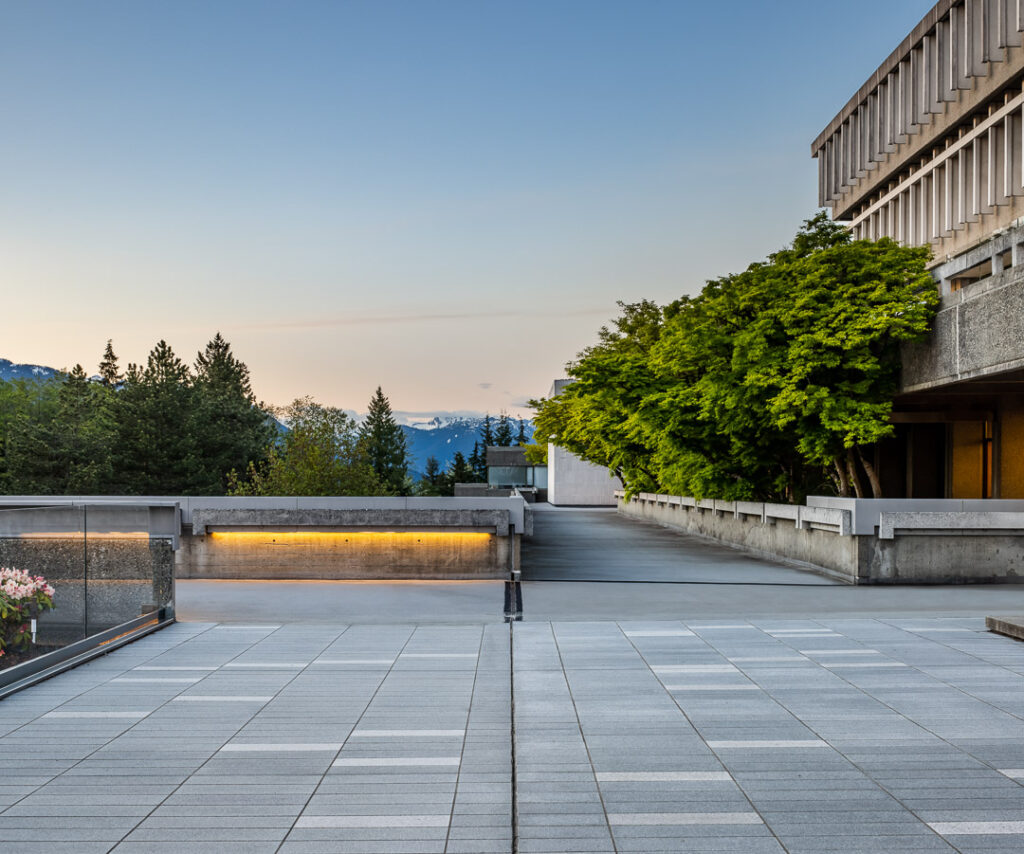
Natural stone finishes exist on a wide spectrum from very rough to smooth. Textured treatments help maximize slip resistance and disguise wear, making them indispensable for high-traffic pedestrian zones. At the other end, refined finishes deliver clean aesthetics and simplified maintenance but may struggle under wet or heavy-use conditions as the direct coefficient of friction (DCOF) changes.
The key is context. Climate, traffic volume, accessibility requirements, and maintenance capacity all affect how a finish will perform over time. The goal is not just to specify a surface that looks right on installation day, but one that continues to meet performance goals for decades to come.
Granite Paver Finishes: The Most Versatile Option
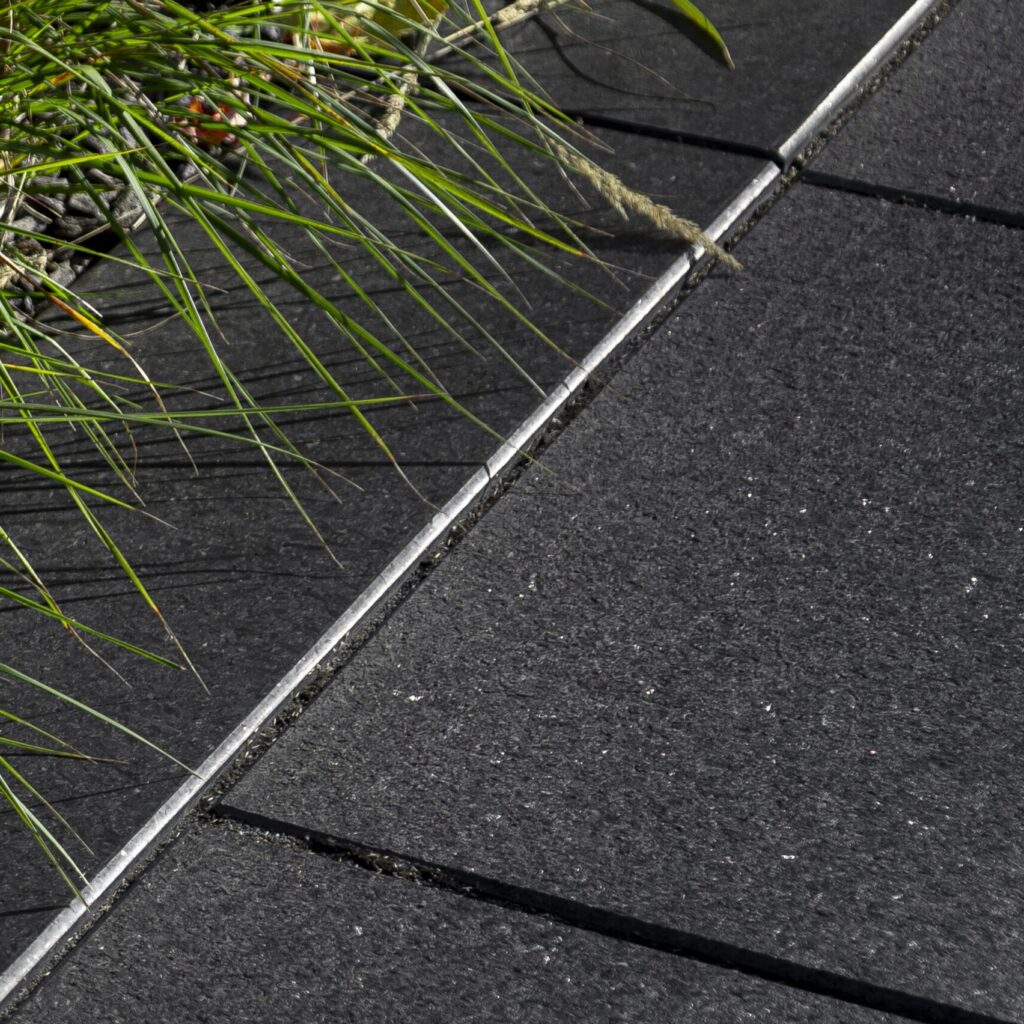
Among natural stones, granite is the most adaptable to multiple finishing techniques. Its hardness (Mohs 6–7) and crystalline structure make it exceptionally durable, allowing for finishes that strike a balance between safety, aesthetics, and long-term performance.
Granite’s adaptability is especially valuable in commercial projects, where paving materials must withstand demanding conditions without compromising aesthetics.
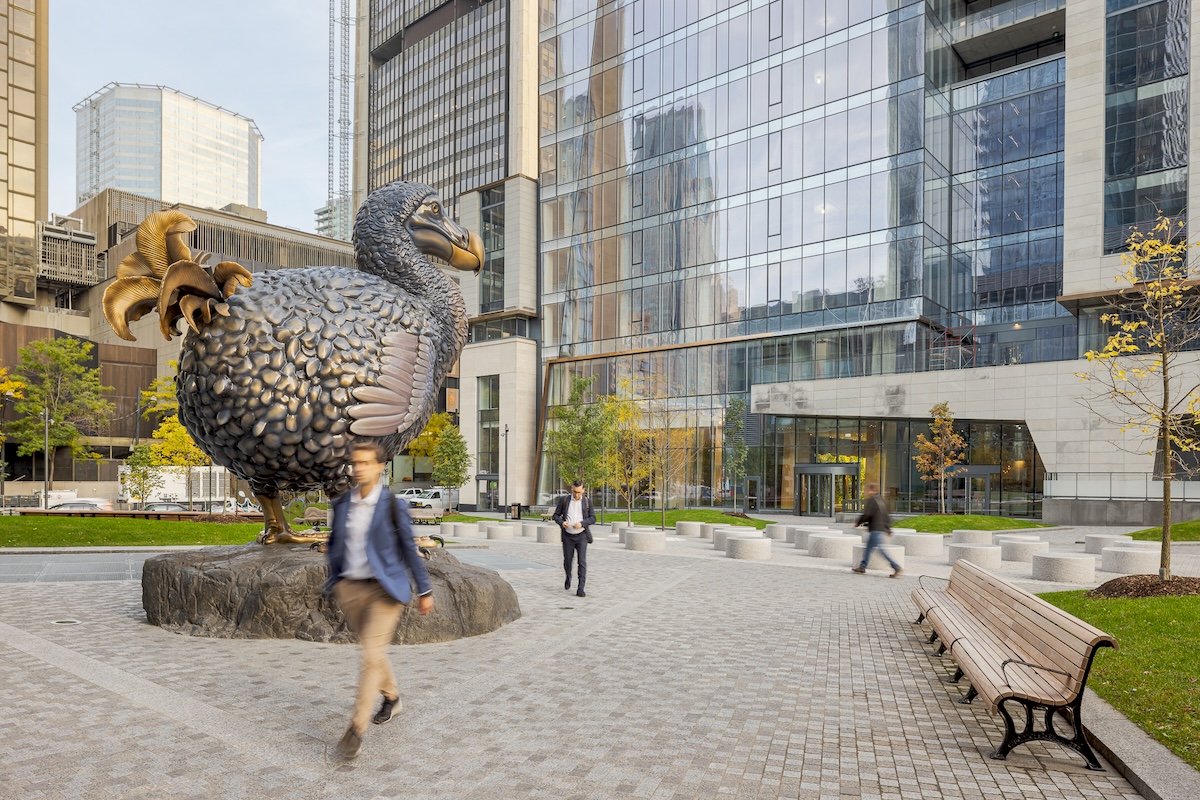
Manmade materials, such as precast concrete and interlocking concrete pavers, require molds that attempt to approximate granite’s inherent natural texture and mineral structure. Granite pavers possess an inner luminosity and depth because of their crystalline composition of feldspar, mica, quartz, and hornblende, which refract light in unique ways. The application of different finishes to the granite and the forces the stone is subjected to in the process result in a dazzling array of visual effects.
What Is a Thermal Finish on Granite Pavers and Where Should It Be Specified?
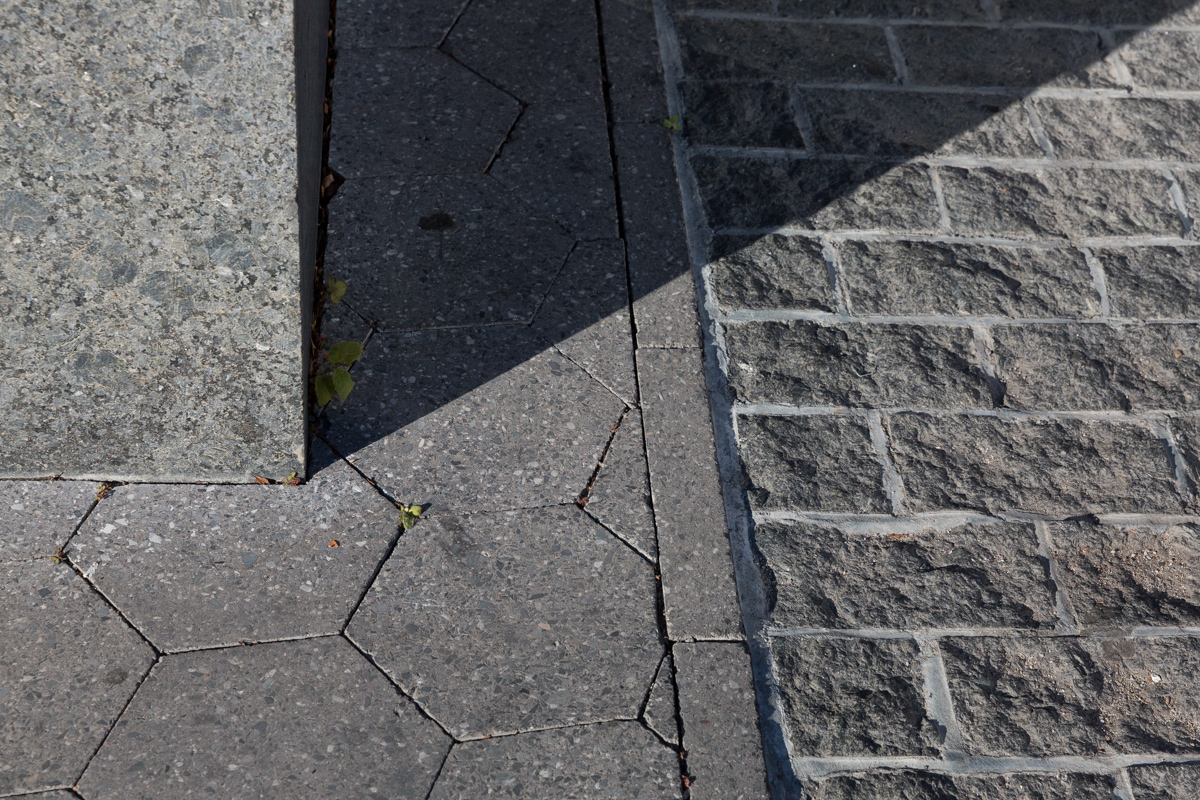
Granite is the only natural stone that can accept a thermal finish. By applying intense, controlled heat, the surface minerals expand and fracture, creating a naturally textured surface with exceptional slip resistance. Unlike artificial treatments, thermal finishing enhances granite’s durability rather than weakening it.
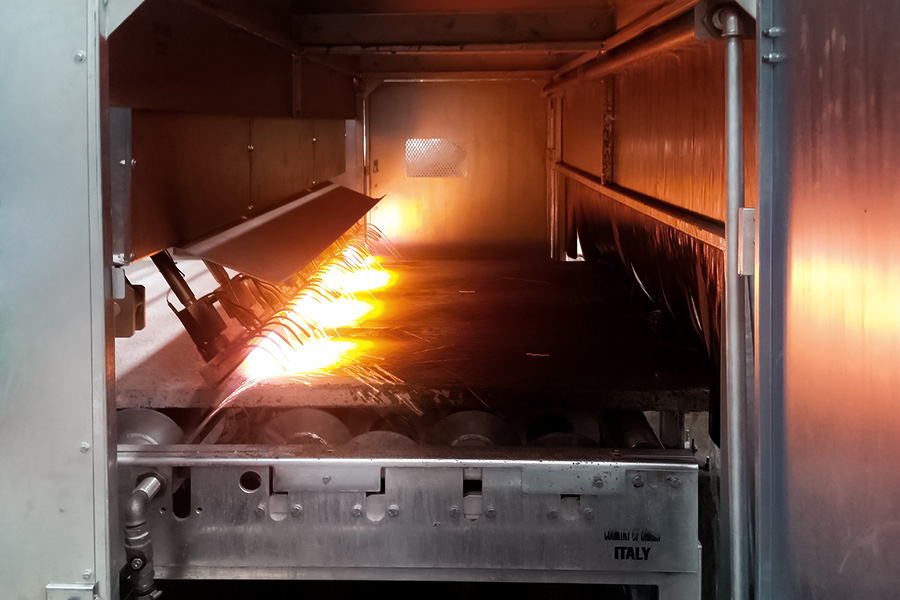
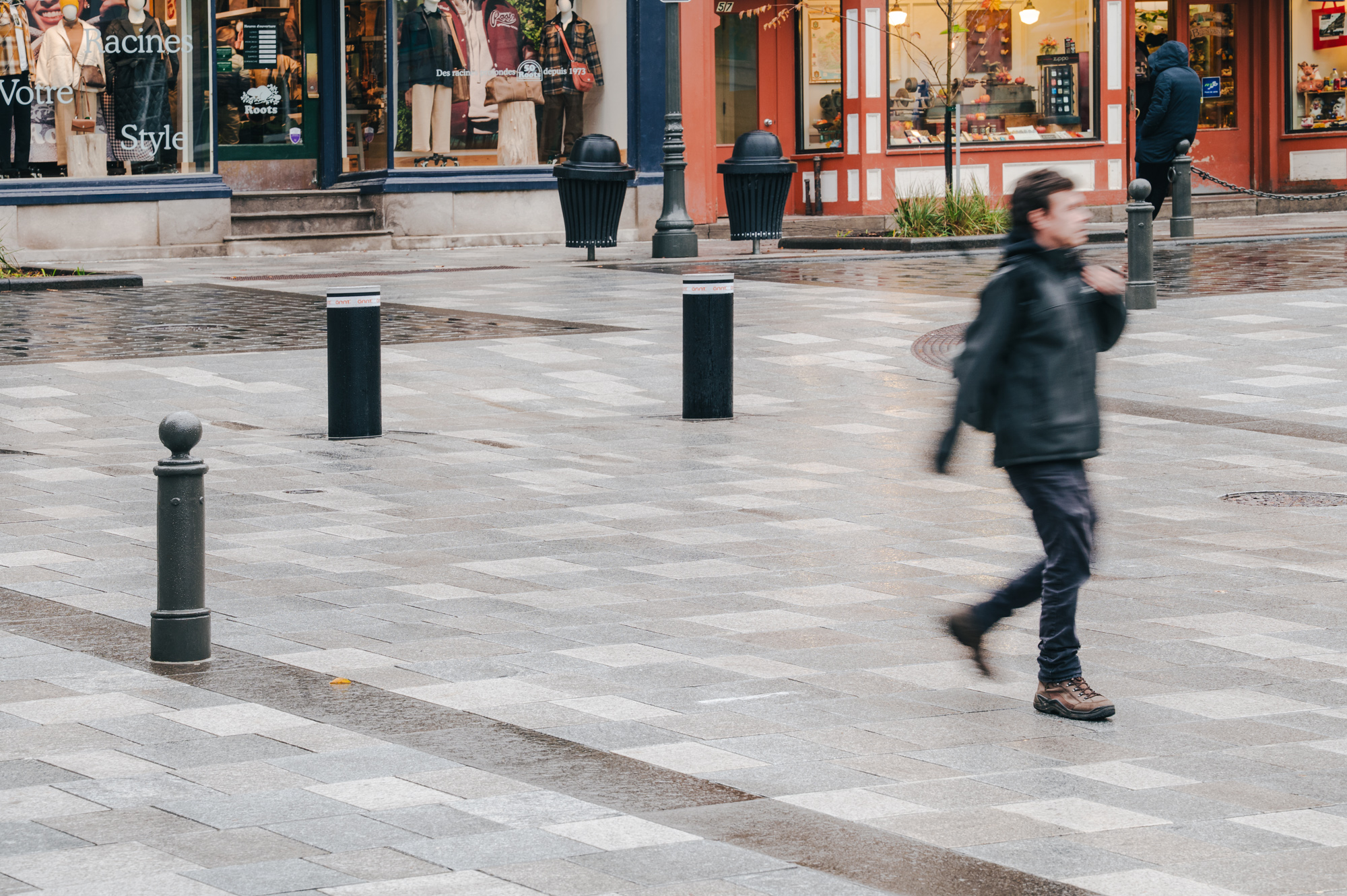
In aquatic environments, such as pools and fountains, thermal finish granite provides secure footing even when wet, while remaining comfortable under bare feet in the summer heat. In high-traffic pedestrian areas—such as universities, healthcare campuses, or civic plazas—the finish withstands daily wear, conceals usage patterns, and improves over time as polished areas develop naturally. Its micro-texture also supports ADA compliance by offering detectable surfaces without hindering wheel mobility. In freeze–thaw climates, it helps water drain away, reducing the risk of slick winter surfaces.
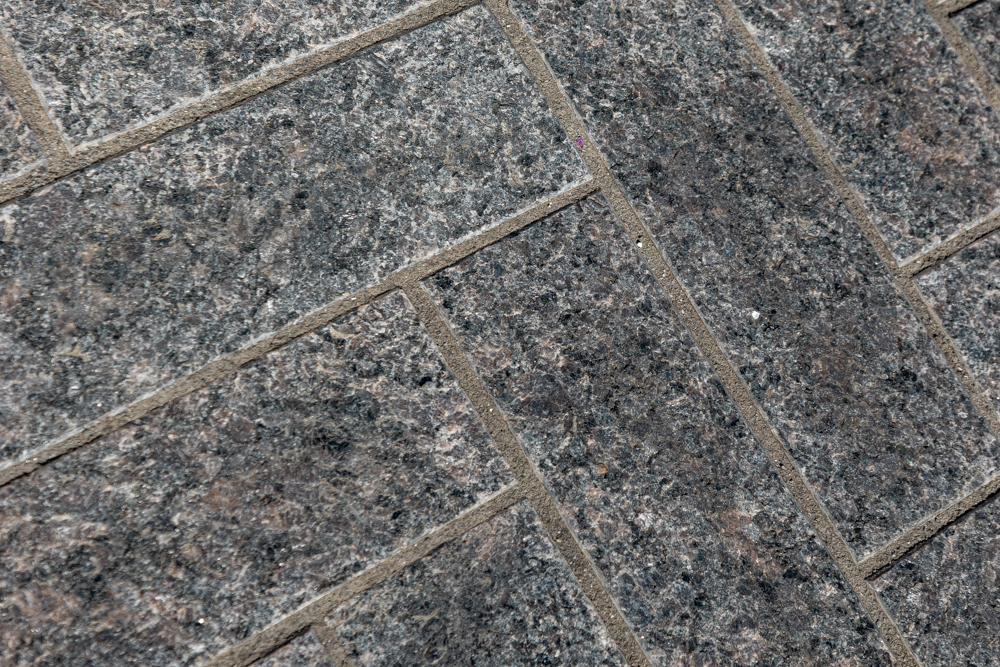
This process is exclusive to granite. Marble, limestone, and other stones lack the crystalline structure to withstand the intense heat, which underscores granite’s unique position as the most performance-ready paving stone.
Other Granite Paver Textures
Granite also supports a range of complementary finishes, each suited to different applications:
- Honed granite offers a matte, low-glare surface well suited for covered exteriors or indoor / outdoor transitions where maximum traction is not critical.
- Sandblasted granite pavers provide controlled surface roughness, balancing traction and comfort for plazas, walkways, and transitional spaces.
- Waterjet finishes deliver smooth, precise surfaces with sharp detailing, ideal for contemporary projects requiring accuracy and minimal joint spacing.
- Bush-hammered granite creates a uniform texture that blends traction with easy maintenance, making it a strong choice for institutions, corporate settings, and civic landscapes.
Where Should Marble Pavers Be Specified for Commercial Applications?
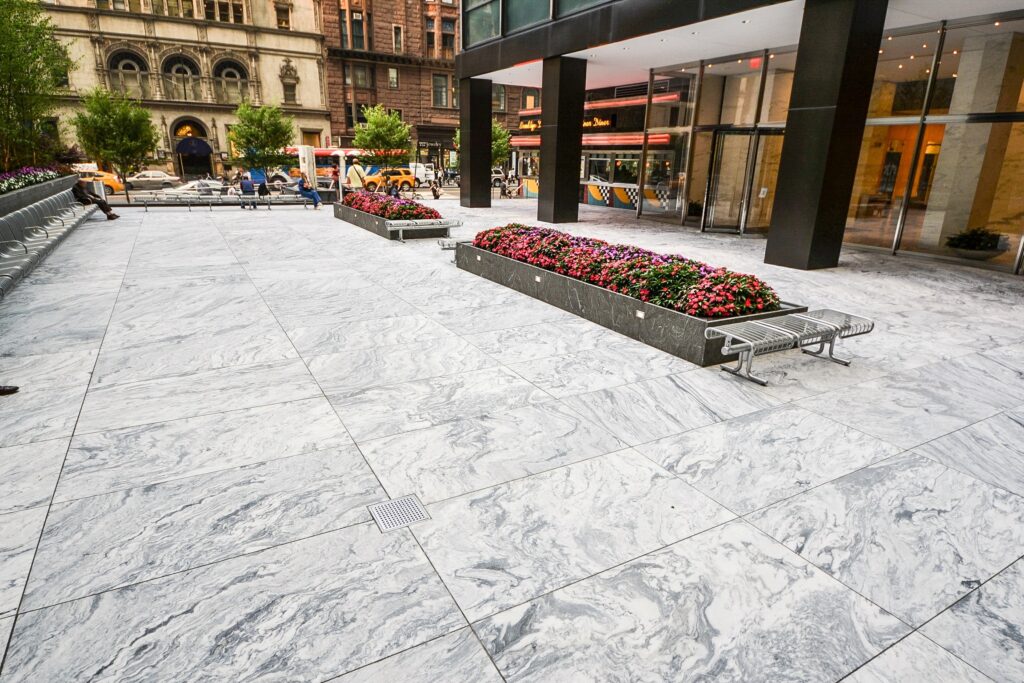
Marble’s aesthetic appeal is unmatched, but its softer composition (Mohs 3–5) makes it less suitable for heavy traffic. In commercial paving, it performs best in accent roles or interior applications where beauty outweighs performance demands.
- Honed marble creates a smooth, matte surface that reduces glare and increases slip resistance compared to polished marble—ideal for interiors or low-traffic covered areas.
- Sandblasted marble improves traction, though it wears faster than granite under constant use.
- Antiqued finishes highlight natural character with a time-worn look, lending charm to hospitality or boutique retail spaces where traffic is lighter.
In short, marble brings cultural and visual value, but granite remains the go-to for high-performance paving.
Matching Stone Finishes to Applications
Every commercial site carries unique performance requirements. Choosing the right finish means considering both environment and use:
- Mixed pedestrian and vehicular areas: finishes must balance traction with durability under rolling loads. Bush-hammered or moderately sandblasted granite often works best, provided structural considerations like paver thickness and base preparation are addressed in collaboration with engineers.
- High-traffic pedestrian zones (campuses, transit hubs, healthcare facilities): thermal finish granite sets the benchmark for safety and longevity, while sandblasted granite may serve in transitional areas. Smooth or marble finishes are typically unsuitable.
- Aquatic environments (pools, fountains, water features): thermal finish granite provides traction under wet conditions, resists chemicals, and remains comfortable in heat. Lighter colors reduce surface temperature further.
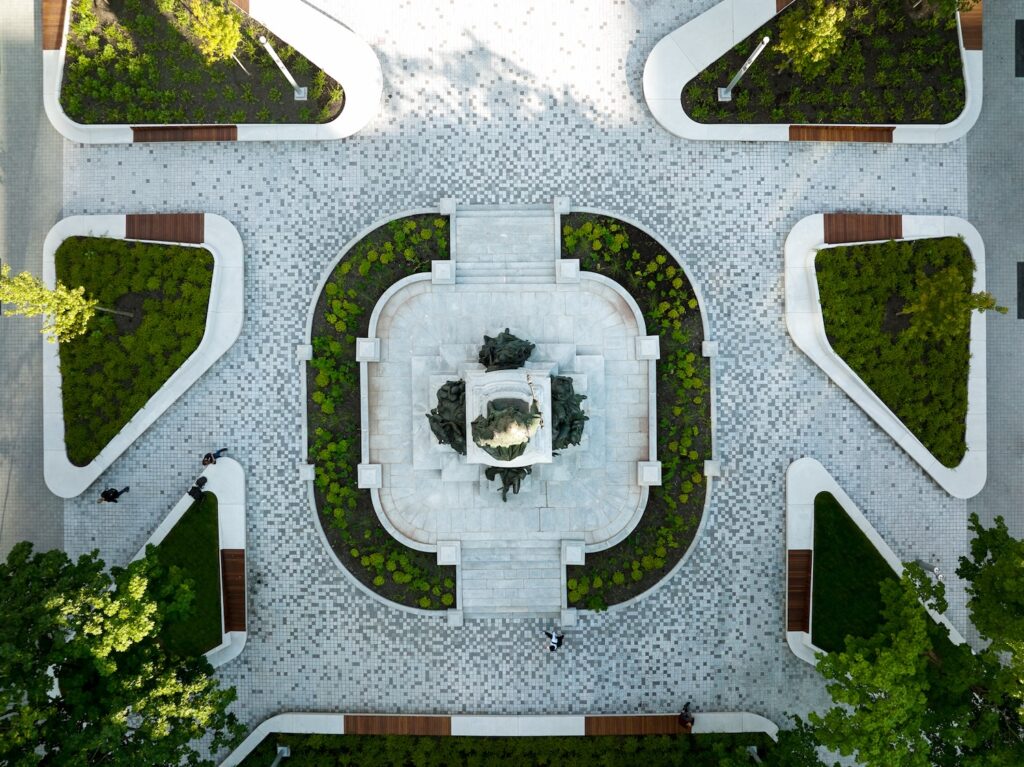
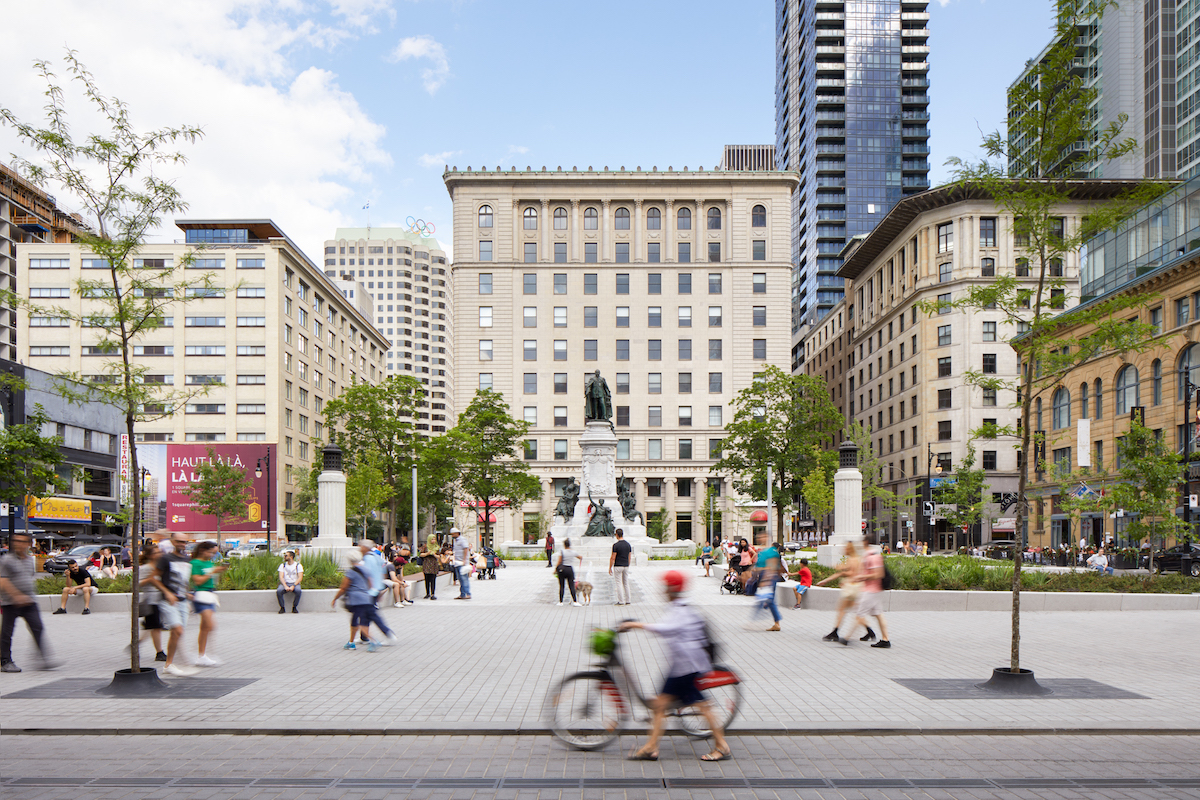
- Large plazas and courtyards: designers often mix finishes—using textured granite for circulation routes and smoother finishes for accents or seating areas. Successful outcomes depend on integrating finishes with surrounding architecture and site elements.
What Technical Standards Apply to Commercial Stone Paver Finish Specifications?
Performance depends not only on the material but also on the specification details. Specifiers should define not only the desired finish but also the methodology used to achieve it, as variations in the process can affect the results. Not all granites respond identically to thermal treatment, for example, so compatibility must be verified during selection.
ASTM standards for slip resistance and durability should be referenced in specifications, particularly in liability-sensitive environments such as pool decks or transit hubs. Sample approvals across multiple production runs ensure consistency. Finally, specifiers should account for installation and maintenance protocols tailored to the finish type—avoiding surprises once construction begins.
Planning for Long-Term Performance
The best finish choice is one that balances immediate performance with long-term maintainability. Setting realistic expectations helps clients understand how surfaces evolve with use. Thermal finishes often improve with time, while others may require periodic refreshing. Maintenance strategies should align with available resources, addressing cleaning, renewal, and replacement cycles where necessary.
Polycor’s Quarry-to-Installation Expertise
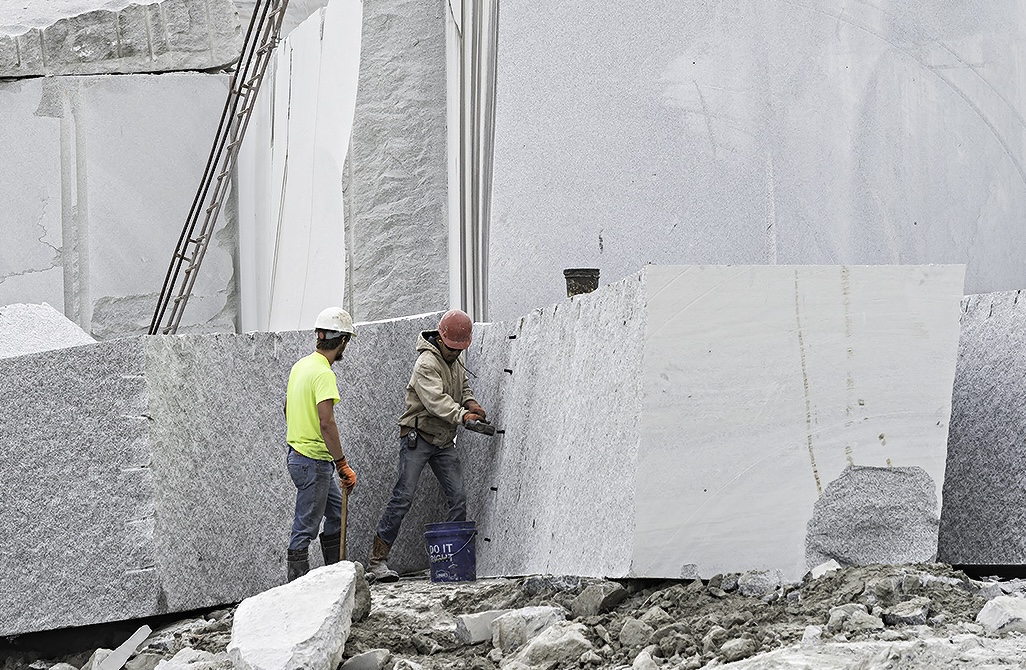
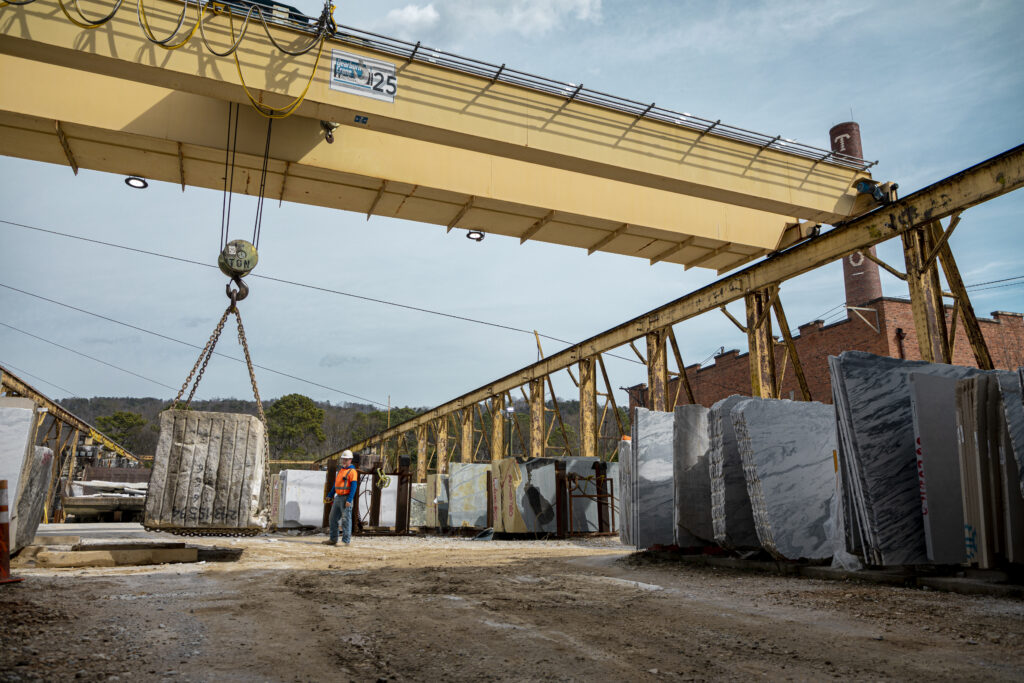
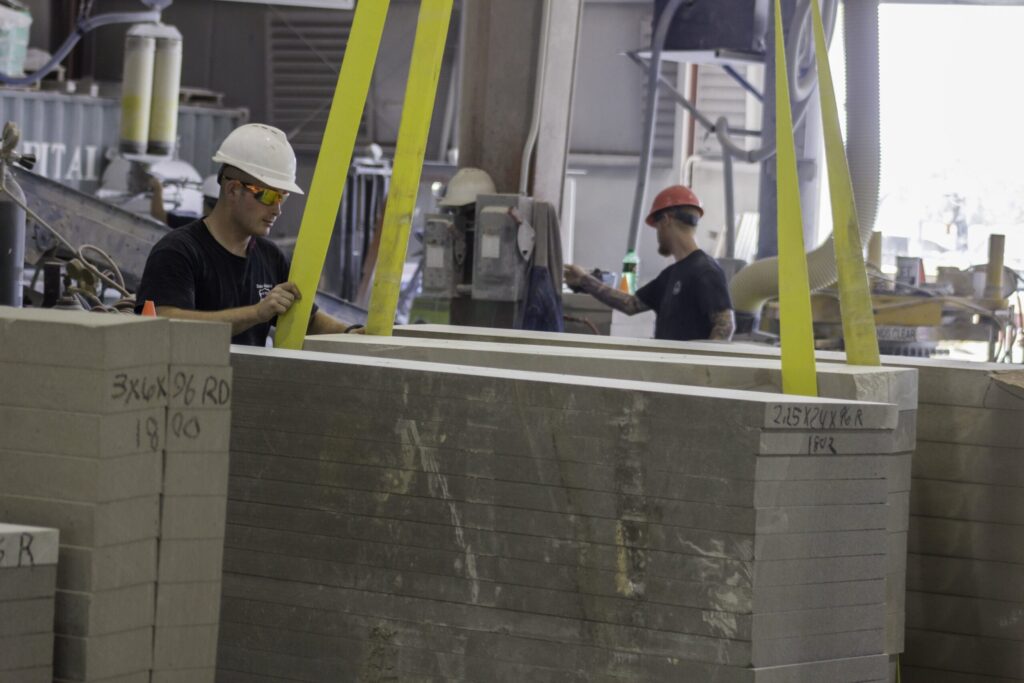
Because Polycor manages the process from quarrying through fabrication, we provide consistency and technical guidance unmatched by traditional distributors. Our specialists understand how variations within a stone formation affect finishes and can recommend the best pairings of stone and treatment.
Beyond material supply, our team supports specifiers with stone selection, environmental performance modeling, installation consultation, and quality assurance. This integrated approach ensures that projects meet design intent while performing reliably for decades.
Sustainability is another key advantage: quarry ownership enables us to reduce waste, manage land responsibly, and minimize the impact of transportation. Combined with stone’s inherent longevity, properly specified finishes deliver both environmental and economic value.
How to Specify Commercial Stone Paver Finishes with Confidence
The finish you specify for commercial pavers has consequences that extend far beyond appearance. It determines whether a surface offers reliable traction, withstands decades of wear, and supports the overall performance goals of a space. The finish you choose will shape the long-term success of your project. Begin with performance, align material and finish carefully, and plan for maintenance from the start. Above all, partner with suppliers who bring quarry-to-installation expertise and can support your decisions with technical guidance and proven experience.
At Polycor, we combine centuries of quarrying knowledge with modern tools and resources to help specifiers navigate these choices. Whether you’re designing a university campus, a corporate plaza, or a resort pool, our team helps you achieve a balance of beauty, safety, and durability that lasts for decades.
Explore Polycor’s complete library of commercial paver finishes and specification resources at polycor.com/resources
Specifier Checklist: Choosing the Right Paver Finish
- Plan for long-term maintenance and educate clients about surface evolution
- Begin with performance needs (traffic, climate, maintenance, safety) before aesthetics
- Match finishes to compatible stone types—thermal and flamed finishes are granite-only
- Reference ASTM standards and verify compatibility during sample approvals
- Account for installation and cleaning protocols unique to each finish