
Continuing Education Courses for Architects and Landscape Architects
Polycor’s continuing education courses give AIA members and licensed landscape architects a practical way to earn credit while building real fluency in natural stone. Every course is presented by Polycor stone specialists and delivered virtually, on a date your firm chooses.
Schedule virtual CEU learning sessions when they work best for your schedule, not just when a provider is in your area conducting in-person classes.
Credit That Fits Your Firm’s Calendar
Continuing education rarely wins a scheduling challenge with a hard deadline. That is why our courses are available on demand. You choose the date and time, and we bring the session to your team virtually. One request covers your whole office, including staff who work remotely or across multiple locations.
For the person coordinating credits, the administration is simple:
- No travel, room booking, or catering to arrange
- One session for the entire team, wherever each person works
- Scheduled around your project deadlines, not ours
- A single point of contact at Polycor from request to credit
For AIA Members and Licensed Architects
AIA members complete 18 learning units each year, 12 of them in health, safety, and welfare topics. Our courses address the decisions architects make when specifying stone for building envelopes and civic spaces: material selection, structural and weathering performance, durability over the life of the building, sustainability, and long-term maintenance.
For ASLA Members and Licensed Landscape Architects
Most state licensing boards require landscape architects to complete continuing education hours for renewals. Our courses are approved through the Landscape Architecture Continuing Education System (LA CES). They focus on the hardscape side of the practice: specifying natural stone pavers, curbing, and site elements for plazas, streetscapes, and parks that carry heavy foot traffic and need to perform for decades.
Courses Available
Man-Made Vs. Natural Stone: A Comparison of Cast Stone & Natural Stone
Credit: [1 LU – HSW | AIA CES / LA CES]
A side-by-side look at natural stone and cast stone for building facades: how each material is produced, how it weathers, what it costs over the life of a building, and what it demands in maintenance. The course draws on real project decisions, including Freedom Place at Old Parkland, where the design team moved from cast stone to Indiana Limestone mid-project.
Created By Nature, Crafted By Man
Credit: [1 LU Elective | AIA CES / LA CES]
This course provides a window into quarry history and how natural stone is extracted and fabricated, with a focus on Indiana Limestone. It then turns to the specifics of designing with and specifying natural stone, and to uses beyond traditional masonry in contemporary construction. The course also compares natural stone with man-made cast stone as well as other engineered materials, looking at the features, strengths and trade-offs of each. It covers off-gassing, materials science and embodied carbon as it relates to these materials. No prior knowledge is required.
Natural Stone Facades: An Introduction
Credit: [1 LU HSW | AIA CES / LA CES]
Accurate facade specs depend on knowing what information to gather before you write them. This course walks through the anchoring system components used in the field, so you spend less time revising stone facade specs with the wrong details. It starts with why natural stone works well as a cladding material, then follows how stone elements are fabricated for facade use. From there, it covers the structure and components of different exterior wall assemblies, the key installation considerations for each type of stone facade, and the pros and cons of each application. The course also looks at how specifying stone for exterior facades can improve building performance through lower carbon, the topic that qualifies it for HSW credit. Attendees should have a working knowledge of facade systems, vertical wall applications, anchoring, and building envelopes.
Specifying Natural Stone
Credit: [1 LU HSW | AIA CES / LA CES]
This course is a foundation in natural stone, from the quarry to the finished project with a central focus on material selection for specifications: which characteristics make certain stones better or worse suited to specific applications, and how to choose the right material for your project. It covers in detail all the relevant ASTM data that should be considered when building specifications. No prior knowledge is required.
Sustainable Natural Stone
Credit: [1 LU HSW | AIA CES / LA CES]
This course examines the sustainability of natural stone and where it fits among today’s building materials. It starts with the environmental impact of common materials, then compares natural stone with the alternatives on durability, aesthetics, and sustainability, along with the economic and environmental case for choosing it. The course uses five factors to judge whether a material is sustainable: durability over generations of use, low embodied carbon, freedom from VOCs that harm indoor and outdoor air quality, potential for reuse, and contribution to lower energy loss and maintenance. These wellness and building-performance topics qualify the course for HSW credit. It closes with Environmental Product Declarations (EPDs): what they are, and why they matter in sustainable construction. No prior knowledge is required.
Granite Curbing: Cost, Advantages & Details
Credit: [1 LU HSW | AIA CES / LA CES]
This course compares granite and concrete curbing for streetscapes, municipal roadways, and site development projects. It is written for architects, engineers, and specifiers. It starts with cost: the upfront factors that shape each material’s price, and the long-term savings granite can deliver over the life of the infrastructure. It then looks at performance in the conditions that wear curbs down fastest: heavy traffic, freeze-thaw cycles, and snowplow impact. Participants finish able to recommend a curb material based on budget, design goals, design and lifecycle planning. No prior knowledge is required.
Closing the Loop with Recycled Glass Surfacing
Credit: [1 LU HSW | AIA CES]
This course follows recycled glass surfaces through their full life cycle and shows how they fit into a sustainable building. It begins with where waste glass comes from and the upcycling process that turns it into a finished surface. It then evaluates the material’s sustainability through its contents, manufacturing, business practices, including the potential contribution to LEED certification. Participants compare the key performance criteria of recycled glass with other surfacing materials and review case studies of projects that used recycled glass for both performance and sustainability. The course’s focus on material sourcing and the embodied carbon reductions from specifying recycled glass qualifies it for HSW credit. No prior knowledge is required.
Need a topic that is not listed here? Tell us what your team is working on when you request a session, and we will let you know what we can offer.
Stone at the Scale
You Design For
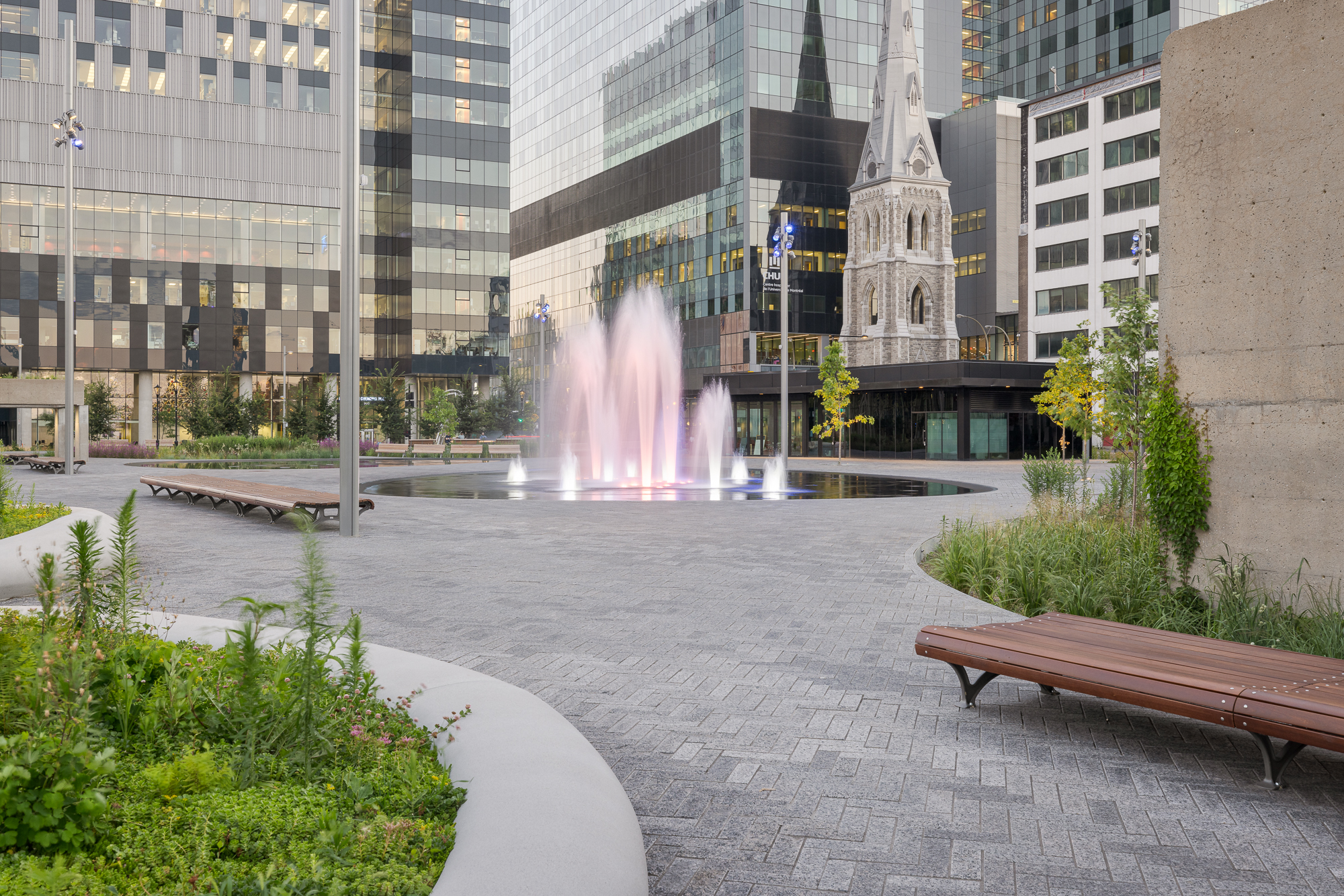
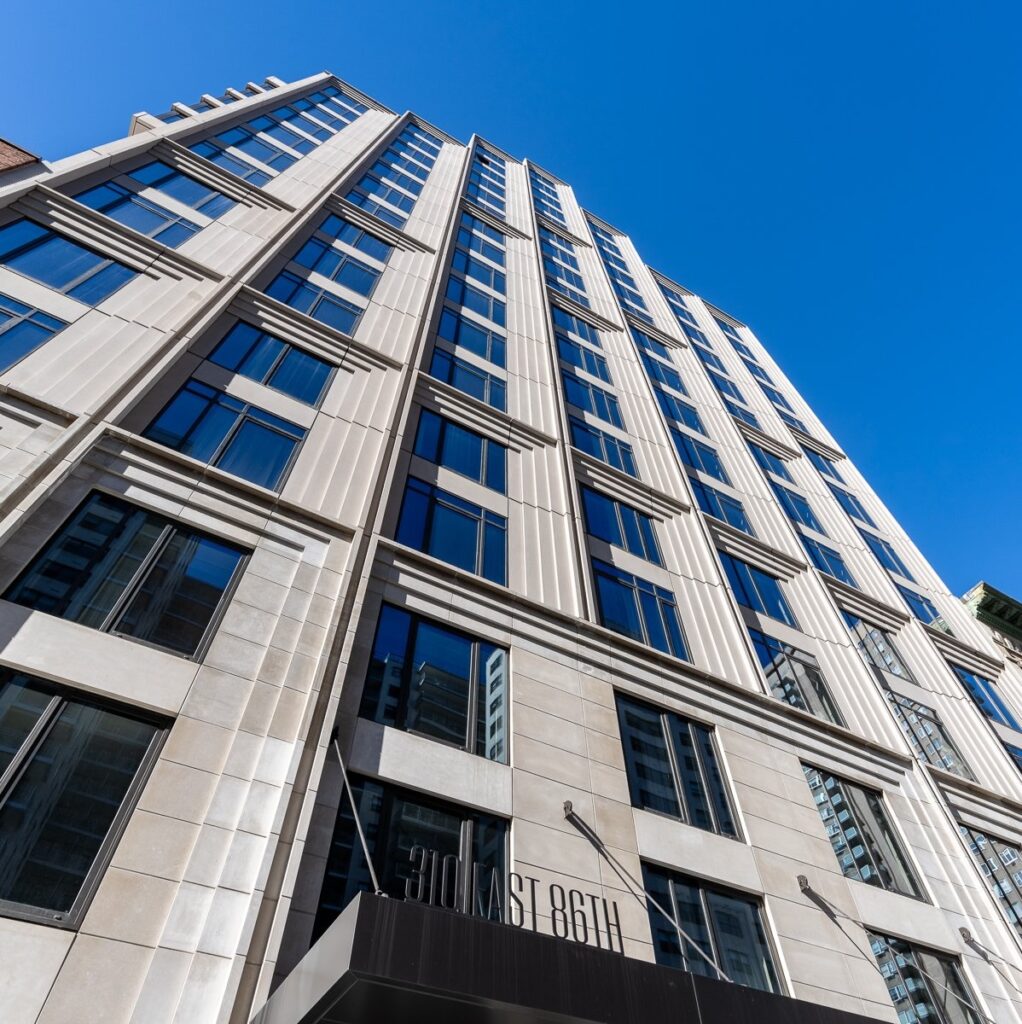
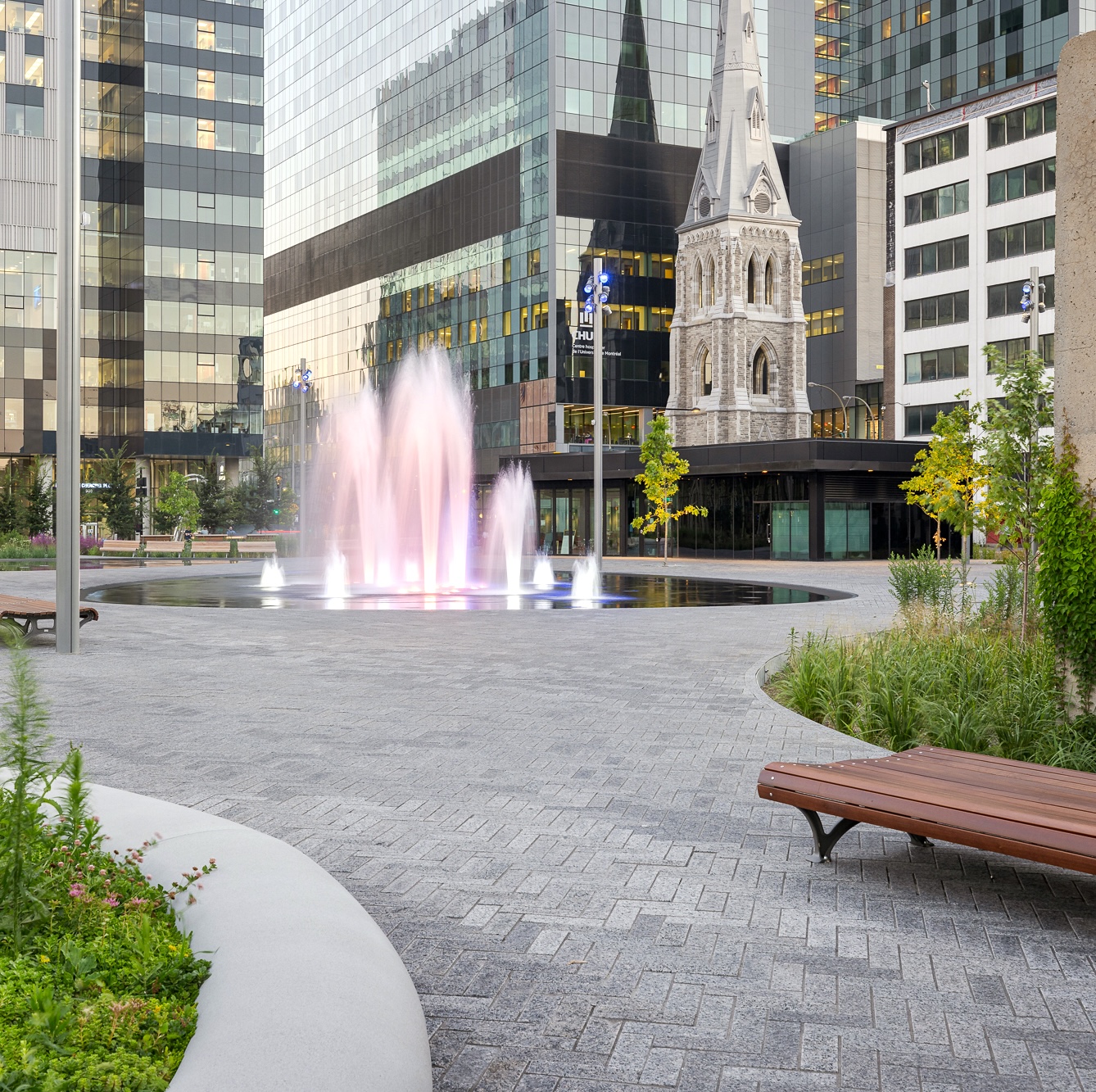
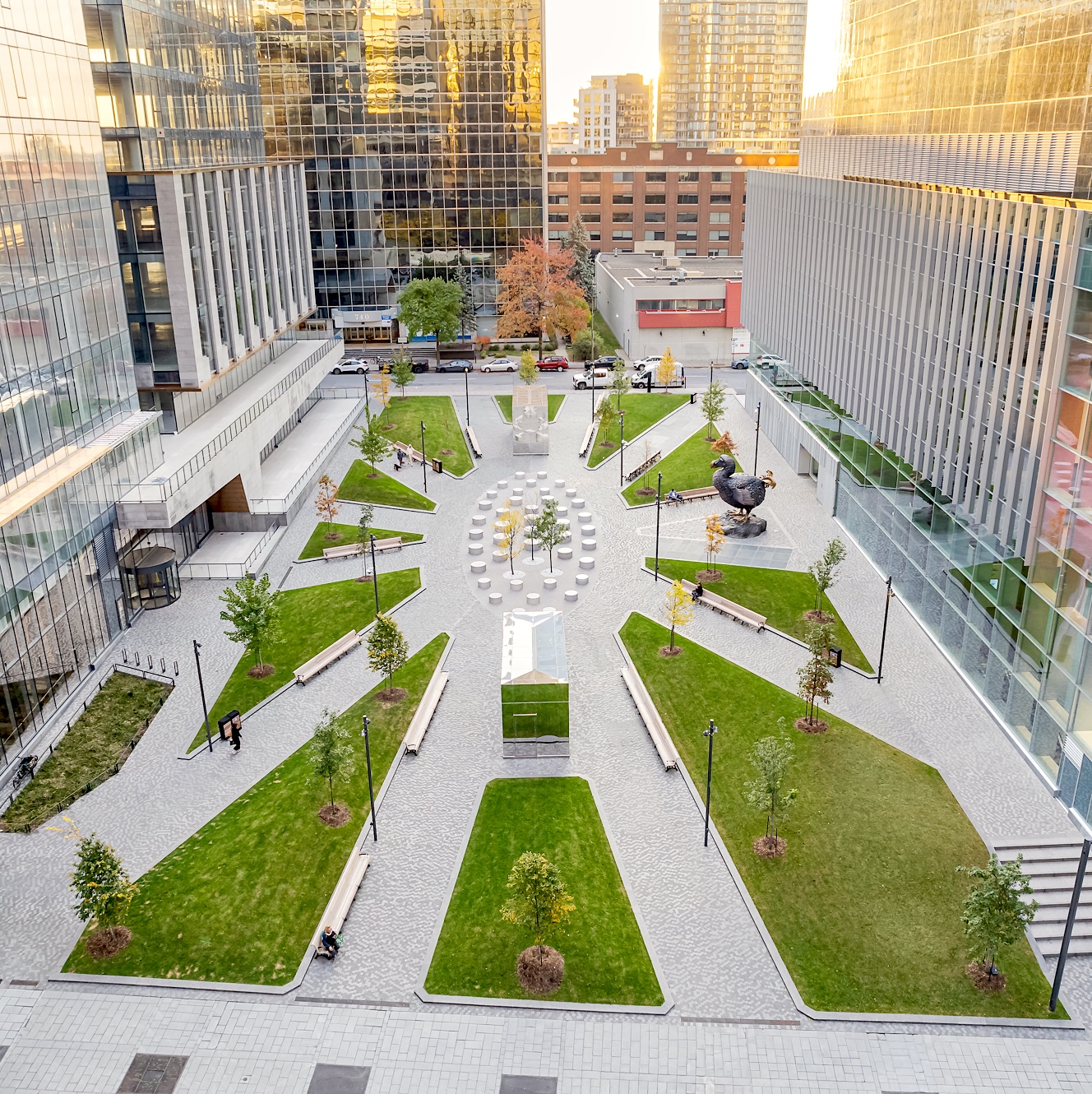
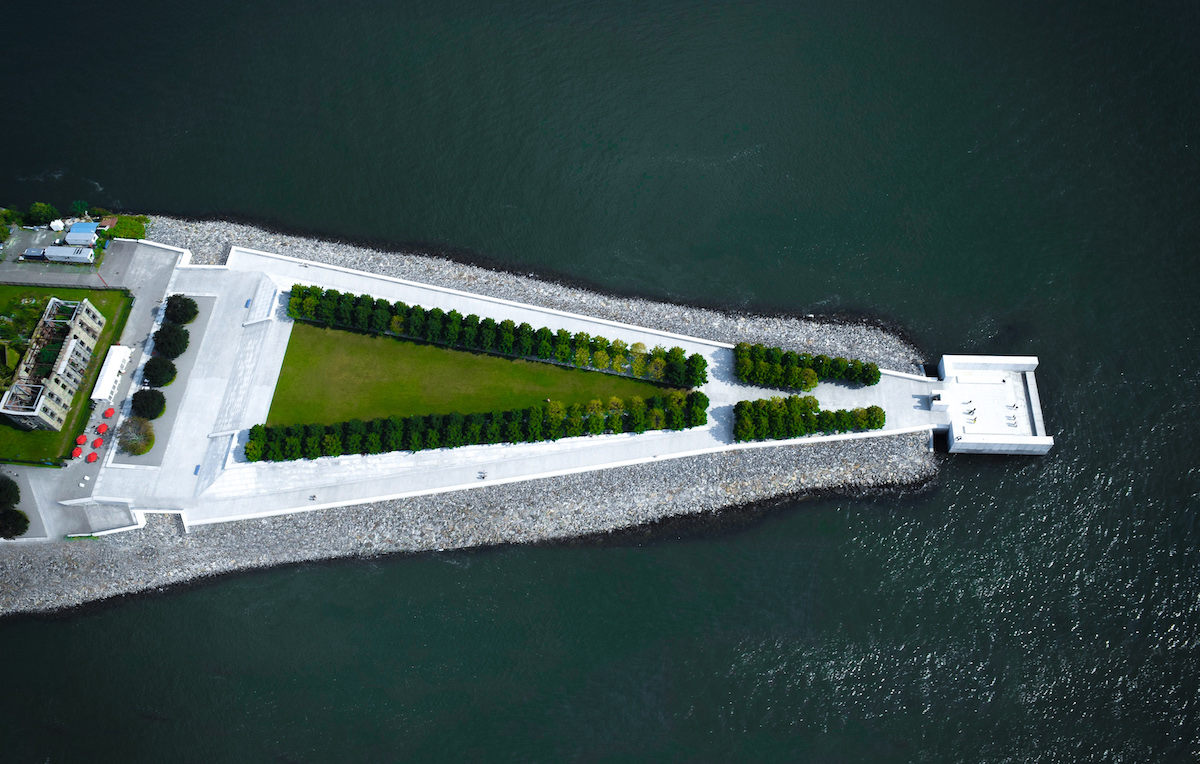
The material in our courses is drawn from specified projects like these: commercial facades and public landscapes built with Polycor natural stone extracted from our North American quarries and processed in our domestic manufacturing facilities.


How It Works
1. Request
Submit the short form below. It takes less than a minute.
2. Schedule
A Polycor specialist follows up to confirm the course, date, and time that works for your team.
3. Earn Credit
Your team attends the virtual session together and receives credit for the course. Polycor handles reporting your attendance to AIA and ASLA so credit lands on each member’s transcript. Certificates of completion are also administered.
Request a Virtual CEU Course Presentation
Tell us about your firm, and we will follow up to schedule your session.
Frequently Asked Questions
Who can attend a session?
Architects, landscape architects, designers, and specifiers on your team can all join the same session. Credit eligibility depends on each attendee’s membership and licensing requirements.
Can remote team members join?
Yes. Sessions are delivered virtually, so team members can attend from any location.
What if we need a topic that is not listed?
Mention it in your request. We will let you know which of our courses fits, or what we can put together for your team.
Related Resources