Choosing the Right Pavers for Your Hardscaping Project
The materials you choose for a hardscaping project shape everything, and choosing the right pavers for your project is a crucial decision that impacts both the aesthetics and functionality of your outdoor space. These selections impact how the finished space looks, how it performs over decades, and how your guests feel every time they walk through it. With so many options on the market, the decision can feel overwhelming. But for architects, landscape designers, and contractors who demand the highest standard, the conversation often comes back to one thing: natural stone.
At Polycor, we’ve spent decades quarrying some of North America’s most prized natural stones — Indiana Limestone, Georgia Marble, Vermont Granite, Canadian Limestone, and more. We know what separates a paver that merely functions from one that transforms a space. This guide is designed to help you navigate that choice with confidence.
Understanding Pavers for Hardscaping: Types and Materials
Pavers for hardscaping come in a wider range of materials than ever before. Understanding the strengths and trade-offs of each is the foundation of a smart specification decision. Here’s a rundown of the paver types that comprise the largest percentage of installations across the world.
Concrete pavers, also known as interlocking concrete pavers, are cost-effective and widely available products. They are created from a mix of portland cement, sand, aggregate, and colorants or dyes. They offer consistent sizing and can be manufactured in an array of shapes and colors. Most concrete pavers have smaller aspect ratios (length x width x height proportions), but can come in larger sizes as well. However, they’re prone to color fading over time due to UV exposure, can wear down and expose internal aggregates, and lack the depth and variation that discerning clients expect in premium outdoor environments.
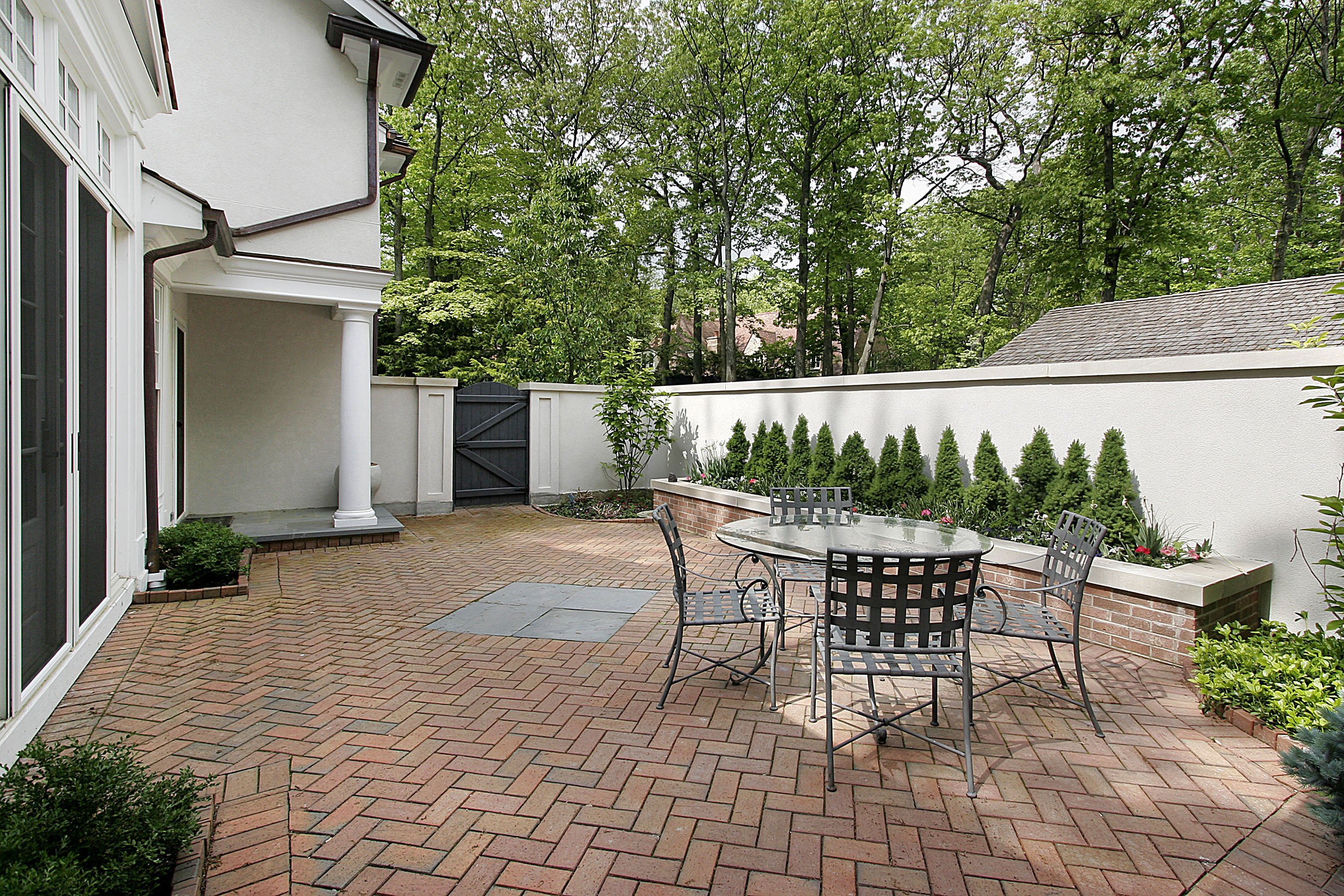
Brick pavers carry a classic appeal suited to traditional residential and commercial designs. These are some of the original manufactured paving materials that gained popularity as the outdoor living trend began to grow. They handle foot traffic well but require ongoing maintenance to preserve their appearance, and their manufactured uniformity can work against projects seeking an organic, high-end aesthetic.
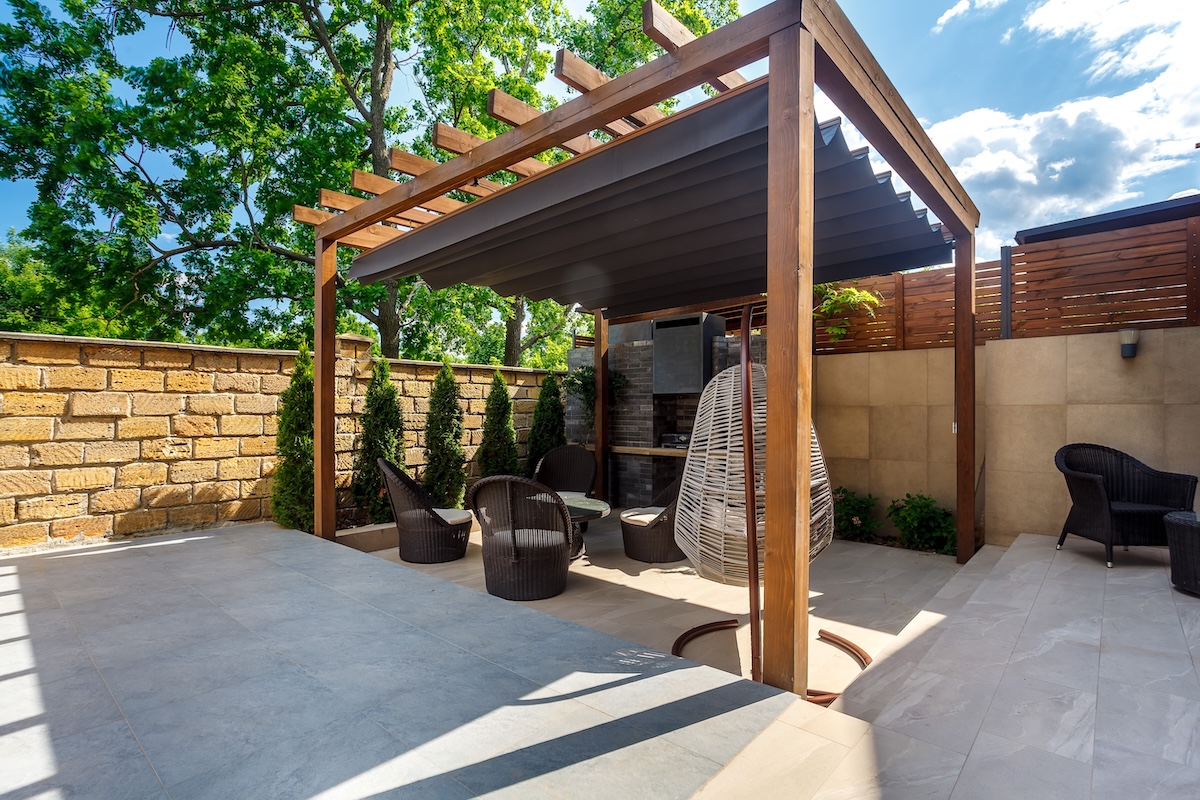
Porcelain pavers have gained traction in contemporary design for their sleek look, minimal surface appearance, and excellent stain resistance. They’re lightweight and straightforward to install, but they can feel cold, impersonal, and appear similar to tile used in interior spaces. They can also be more slippery in wet and snowy environments, and simply don’t age with the same grace as natural stone.
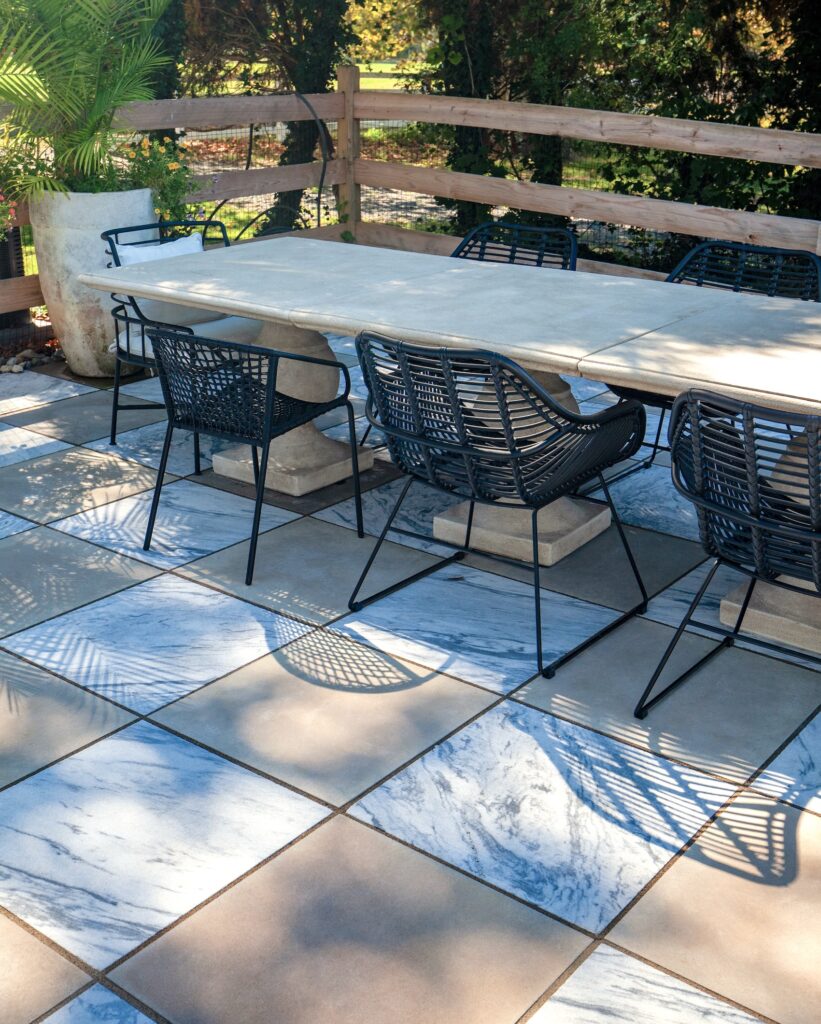
Natural stone pavers stand apart. Each piece is unique, shaped by geological forces over millions of years, and has a life of its own. Natural stone has long been celebrated for its beauty and enduring strength. The variation in tone, texture, and veining isn’t a flaw — it’s the main attraction. And unlike manufactured alternatives, natural stone actually improves with age, developing a patina surface finish that adds character and depth. For landscape stone pavers in high-visibility commercial applications or luxury residential projects, there’s no real substitute.
Ultimately, the choice of paver material should align with the project’s goals and budget. It’s essential to balance aesthetics with practical considerations. Each material has its strengths and drawbacks that will impact installation, long-term performance, and the ambiance of the finished spaces.
Why Polycor Natural Stone Sets the Standard
Polycor is North America’s largest quarrier of natural stone, operating classic quarries across the United States and Canada with some dating back as far as the 1880’s. That scale isn’t just a business statistic. It is a defining factor that has direct implications for your project. Consistent supply, rigorous quality control, and deep expertise in stone behavior across climates are built into every order.
Indiana Limestone
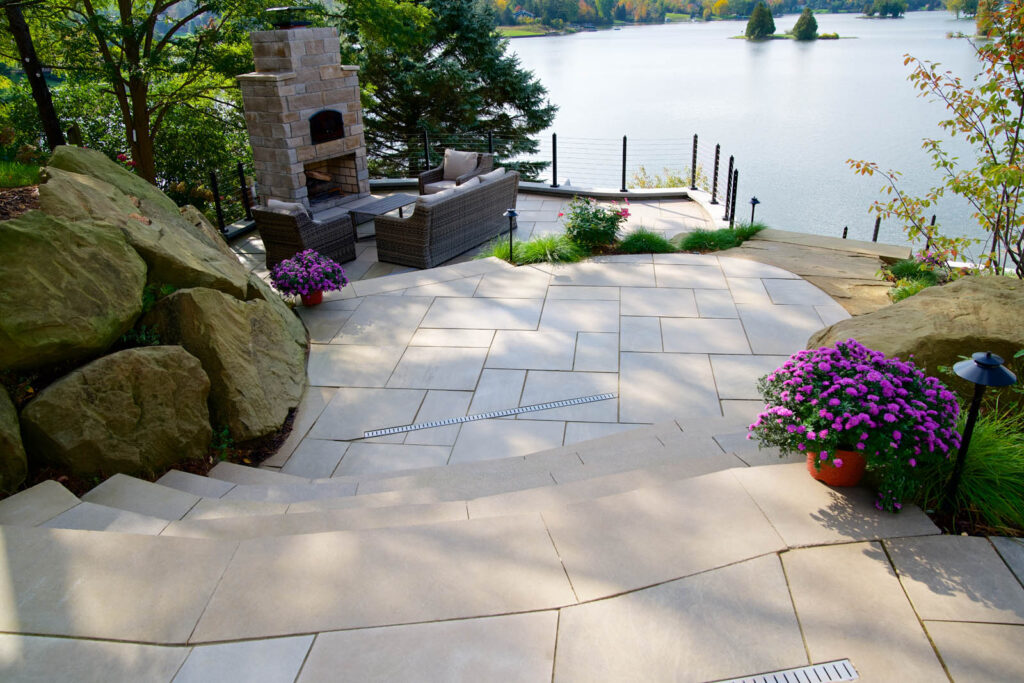
Quarried from the renowned Bedford-Bloomington belt in southern Indiana, Polycor’s Indiana Limestone has been the material of choice for landmark buildings and prestigious landscape projects for over a century. Its consistent warm grey tonality, fine texture, and exceptional workability make it ideal for paving stones, steps, coping, and wall veneer applications alike.
Indiana Limestone is one of the most climate-resilient natural stones available. Its low absorption rate and resistance to freeze-thaw cycling make it a reliable choice for projects in northern climates where imported sandstone and bluestone materials crack and spall within a few seasons.
Vermont Granite
For projects demanding maximum durability and a distinctive, crystalline aesthetic, Polycor’s Vermont-quarried Woodbury Gray granite delivers. Quarried from some of the oldest granite deposits on the continent, this stone is exceptionally hard, making it ideal for high-traffic commercial paving applications, plazas, and streetscapes. Available in a range of finishes — from flamed and brushed to honed — Vermont Granite gives designers precise control over the surface character.
Georgia Marble
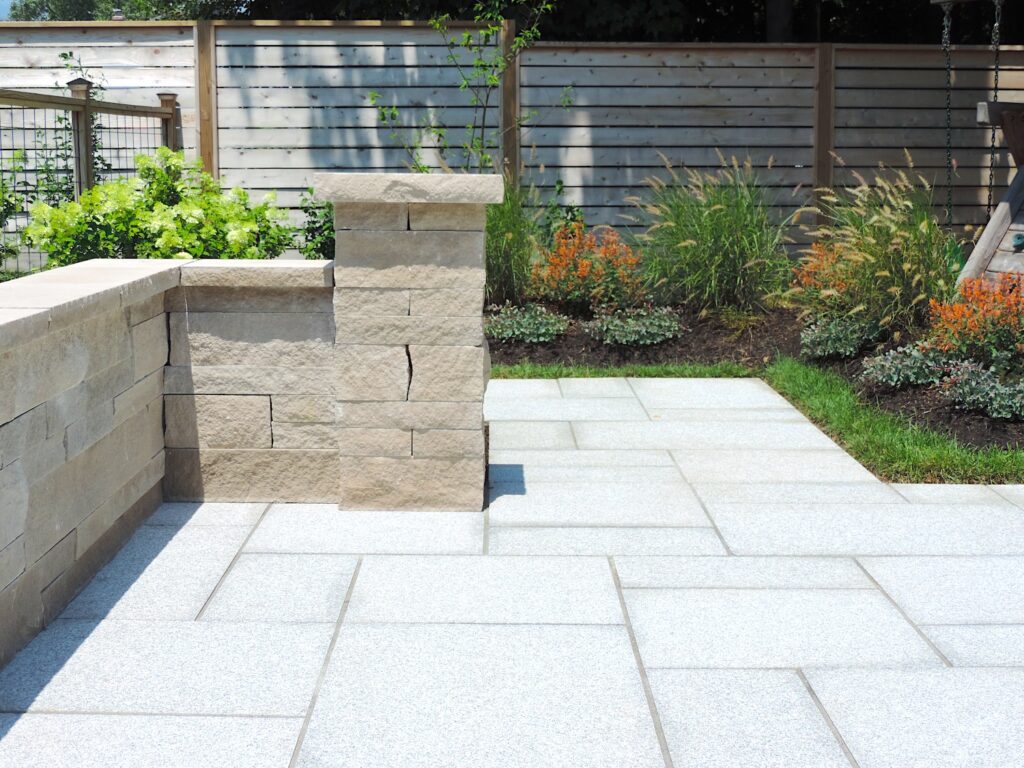
When the design calls for refined elegance, Georgia Marble offers a luminous, white-to-silver palette that few materials can match. As landscape pavers in upscale residential courtyards, pool surrounds, or entry plazas, Georgia Marble creates an unmistakable sense of arrival.

Key Considerations When Specifying Natural Stone Pavers
Selecting the right paving stones for a project goes beyond picking a color palette alone. Here’s what experienced project managers and specifiers consider:
Intended use and load requirements. A pedestrian garden path has very different structural demands than a commercial plaza or rooftop terrace. Polycor’s technical team can advise on appropriate thickness, finish, and stone type based on your specific load-bearing and safety requirements.
Climate and regional conditions. Not all natural stones perform equally in all environments. Vermont Granite is an outstanding performer in freeze-thaw climates. Georgia Marble holds up exceptionally well in high-moisture coastal environments. Specifying the right stone for your region is a detail that pays dividends over the life of the installation.
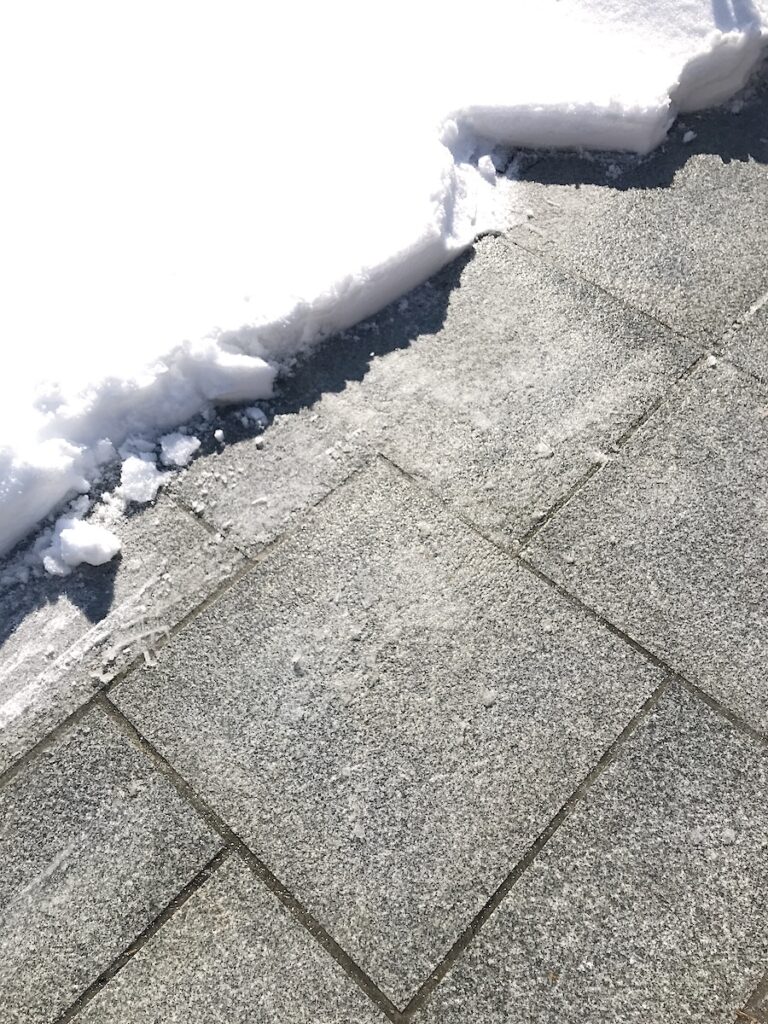
Finish selection. The surface finish on a natural stone paver affects both aesthetics and function. A flamed, thermal or sandblasted finish provides enhanced slip resistance for wet environments like pools, walkways, and entry steps. A sawn, honed or smooth finish offers a more refined, contemporary look suited for common areas or other general exterior applications. Polycor offers a range of finish options across its product lines.
Design vision and architectural context. Natural stone’s inherent variation is one of its greatest assets, but it requires thoughtful selection. Polycor’s quarries produce material with remarkable consistency within each stone type, but working with a knowledgeable supplier ensures the palette and tone will harmonize across the design intent and the full project scope.
Sustainability requirements. As green building standards continue to raise the bar, the environmental profile of specified materials matters more than ever. Polycor is committed to responsible quarrying practices, and natural stone carries a significantly lower embodied carbon footprint than concrete or porcelain alternatives (plus, Polycor stone is domestically produced, not imported). For projects pursuing LEED certification, sustainability benchmarks, or for those who prefer supporting domestic jobs, natural stone is a compelling choice.
Paver Installation: Setting Natural Stone for Long-Term Performance
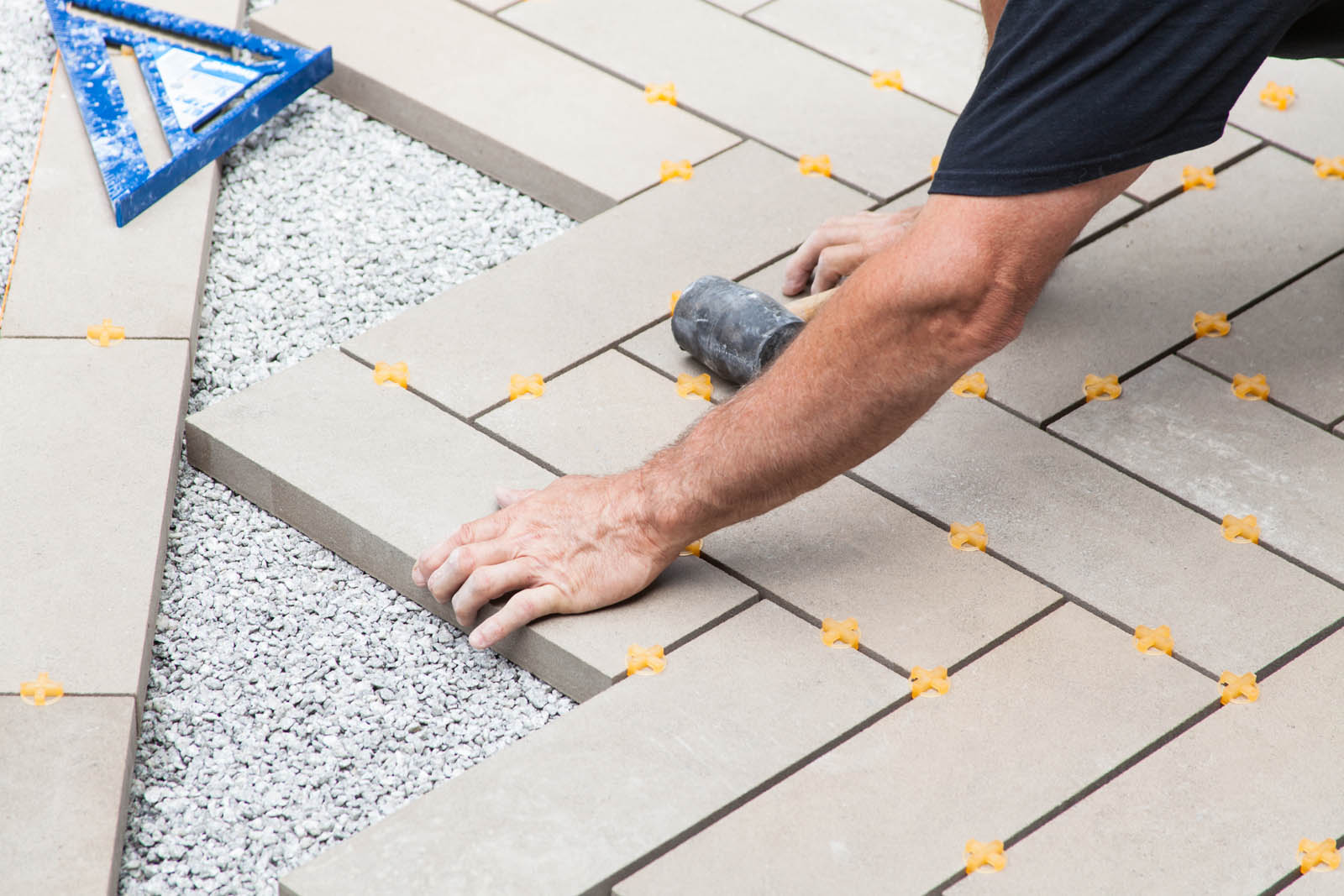
Even the finest natural stone won’t perform to its potential without proper paver installation. Here are the principles that professional contractors follow when working with natural stone:
Base preparation is everything. A properly compacted aggregate base — typically 6 to 8 inches for pedestrian applications, deeper for vehicular — is non-negotiable. Inadequate base preparation is the leading cause of paver settlement, cracking, and drainage failure. Don’t cut corners here.
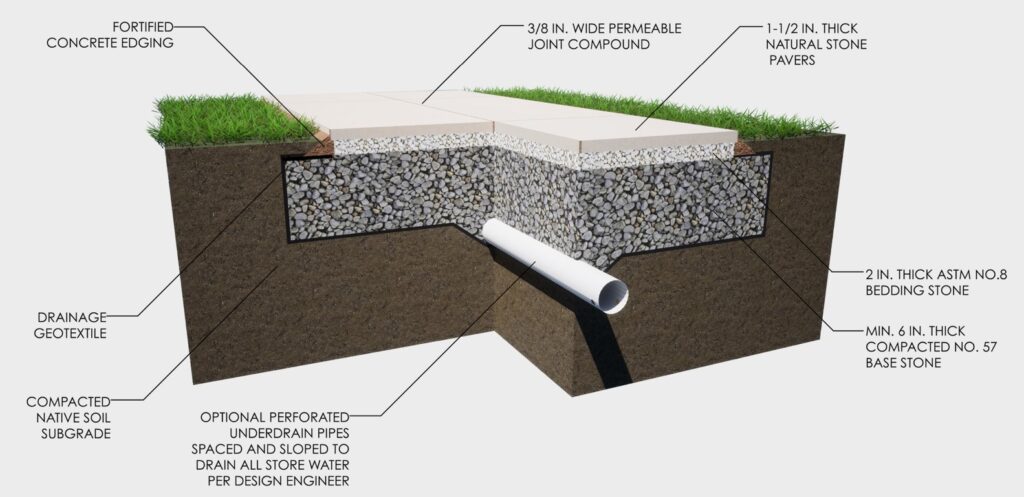
Drainage design. Natural stone is permeable to varying degrees, but the base system must be engineered to manage water effectively. Proper slope (typically 1–2% away from structures) and appropriate drainage infrastructure prevent the water pooling that accelerates deterioration.
Joint materials. For natural stone installations, polymeric sand or mortar joints are preferred over standard sand. Polymeric compounds resist weed infiltration and erosion, maintaining the clean lines of the installation over time. For formal or contemporary designs, tight-fit mortar joints are often specified.
Handling stone variation. One hallmark of a skilled installer is the ability to work with natural stone’s inherent variation rather than against it. Distributing tonal variation across the installation, blending material from multiple pallets, and orienting grain direction intentionally all contribute to a finished result that looks considered rather than haphazard.
Sealing. Depending on stone type and application, a penetrating sealer can enhance stain resistance and simplify maintenance without altering the natural appearance of the stone. Polycor’s technical team can advise on appropriate sealing products by stone type.
The Supplier Relationship: Why It Matters More Than You Think
In a project-driven business, supply chain reliability isn’t a secondary concern; it’s central to your reputation. A single delayed shipment can cascade into missed milestones, unhappy clients, and cost overruns.
Polycor’s scale and operational infrastructure mean you’re working with North America’s most reliable source for quarried natural stone. With active quarrying operations and stone processing facilities across the continent, we maintain inventory depth that smaller regional suppliers simply cannot match. Whether your project requires a full container of Indiana Limestone pavers or a carefully matched supplemental order mid-project, Polycor can deliver.
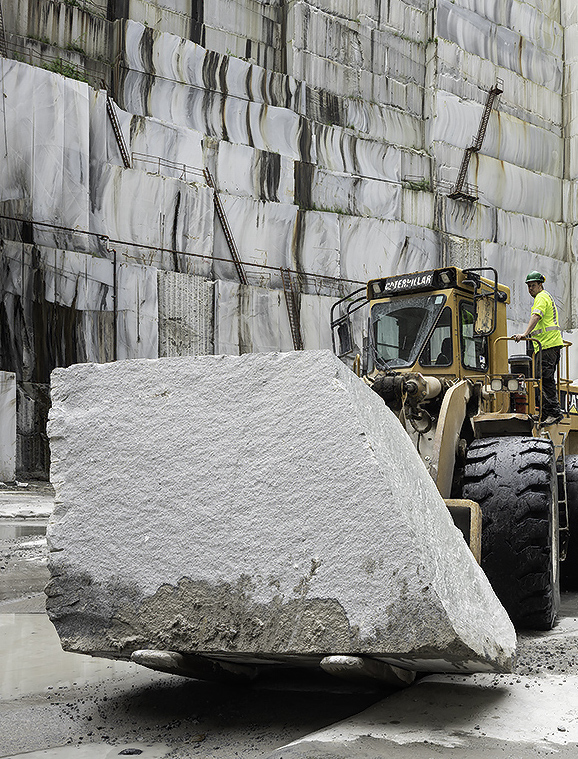
Beyond logistics, Polycor offers genuine technical partnership. Our team includes stone specialists, geological experts, and project support staff who understand how our materials perform in real-world conditions. That expertise is available to architects, contractors, and project managers who want to specify with confidence and install with precision.
Sustainability: Natural Stone’s Long-Term Environmental Advantage
The construction industry is under increasing pressure to reduce its environmental footprint, and material selection is one of the highest-leverage decisions a project team can make. Natural stone pavers offer a compelling environmental profile:
- Low embodied carbon. Stone is extracted and processed with significantly less energy than concrete or porcelain manufacturing, which requires fossil fuels to heat ingredients at high temperatures in their manufacture. Natural stone has already been pre-fabricated by earth forces, is ready-made, and only has to be cut and sawn to smaller sizes from the parent rock.
- Exceptional longevity. A well-installed natural stone paver installation can last a century or more — dramatically reducing lifecycle replacement and disposal impacts.
- Repairability. Individual stones can be lifted, reset, or replaced without disturbing the surrounding installation, extending useful life and reducing material waste streams that overcrowd landfills.
- Responsible quarrying. Polycor adheres to stringent environmental standards across all quarrying operations, including land rehabilitation, water management, and waste reduction programs.
For projects where sustainability credentials matter to clients or certification programs, natural stone is a strong, defensible choice backed by third-party data.
Elevating Your Projects — and Your Business — with Polycor Stone
In a market where many contractors, dealers, and designers are working with the same catalogue of manufactured pavers, specifying Polycor natural stone is a meaningful differentiator. It signals a commitment to quality, craft, and materials that stand the test of time. It’s also a conversation starter for those who are drawn to authenticity and heritage.

Contractors and designers who establish an ongoing relationship with Polycor gain more than just a reliable material source. They gain access to product expertise, project support, and a portfolio of some of the most recognized stone brands in North America, including the Indiana Limestone Company, Rock of Ages, and Polycor’s expanding range of American and Canadian quarries.
Indiana Limestone, Vermont Granite, and Georgia Marble are among the top natural stone choices for hardscaping. Indiana Limestone is prized for its climate resilience and workability, Vermont Granite for high-traffic durability, and Georgia Marble for its refined, luminous aesthetic. Polycor quarries all three across its North American operations.
A properly installed natural stone paver installation can last 100 years or more. Natural stone’s durability, repairability, and resistance to weathering give it a significant lifecycle advantage over concrete or porcelain alternatives.
Yes. Natural stone has a lower embodied carbon footprint than manufactured concrete or porcelain pavers, requires less processing energy, and lasts significantly longer — reducing lifecycle replacement and waste. Responsible quarriers like Polycor also follow environmental land rehabilitation and water management programs.
For wet or high-slip-risk environments like pool surrounds and entry steps, a flamed or brushed finish provides enhanced traction. For dry, contemporary, or sheltered applications, a honed or sawn finish offers a cleaner, more refined appearance. Polycor offers multiple finish options across its natural stone paver product lines.
Ready to Specify?
Whether you’re in the early design phase or ready to place an order, Polycor’s team is ready to help you find the right stone for your project. Explore our full range of natural stone pavers and paving stones, or connect with a regional sales representative to discuss your specific project requirements.
When the project demands the best, the answer starts in the quarry.