
Architectural & Urban Landscaping
Natural Stone for Architecture,
Urban Landsacping &
Commercial Projects
Our stone. Your ideas
Stone is the Past and the Future of Building Materials
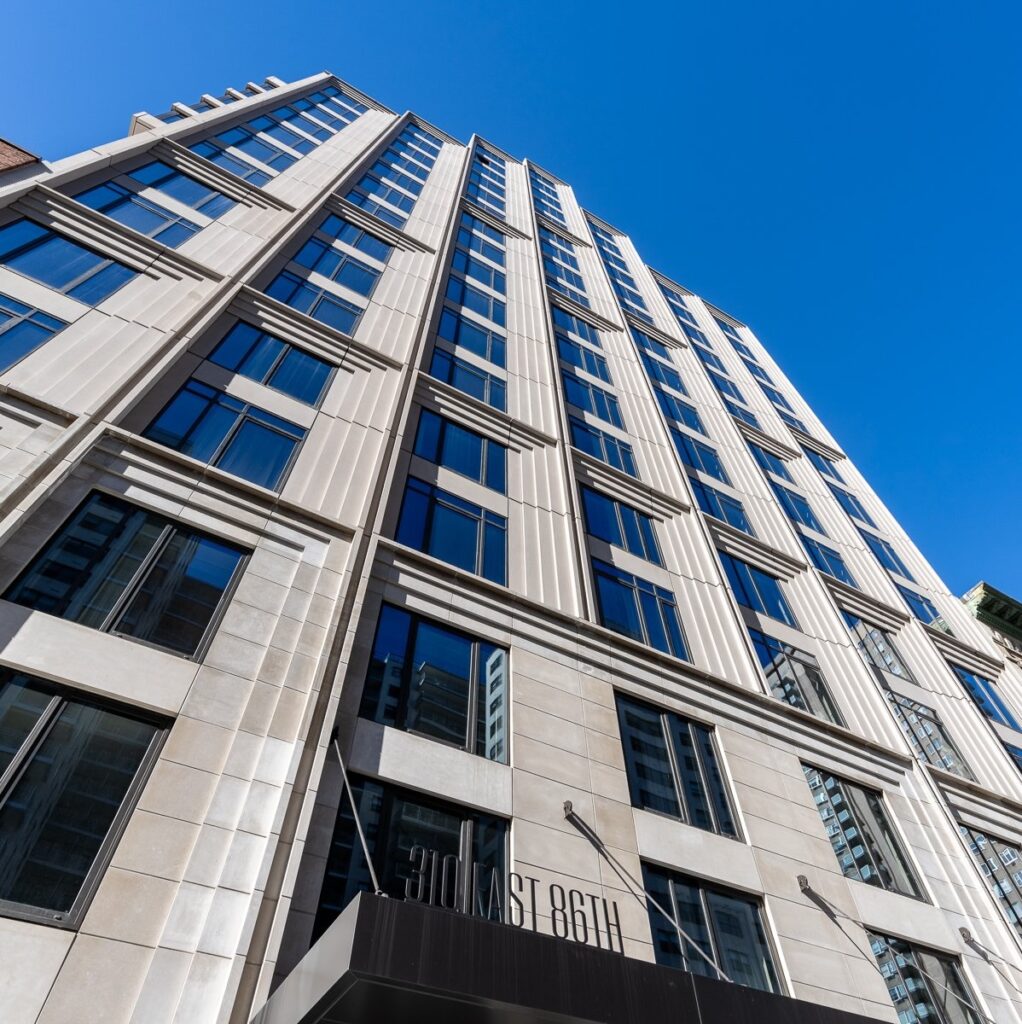
Natural Stone Specification Resources for Architects & Specifiers
Polycor is North America’s largest vertically integrated natural stone manufacturer, quarrying, fabricating, and delivering cut-to-size stone for some of the most demanding commercial and institutional projects on the continent. With active quarrying operations spanning across the U.S. and Canada, Polycor brings both the material breadth and supply chain depth that complex architectural specifications require.
This section of the Polycor website is built specifically for design professionals: architects, landscape architects, specifiers, building owners, and project managers working on commercial buildings, civic infrastructure, urban plazas, institutional campuses, and transportation. Everything here — the applications, the portfolio, the technical resources, and the specification guides — is organized around how design professionals work, from early material exploration through construction administration.
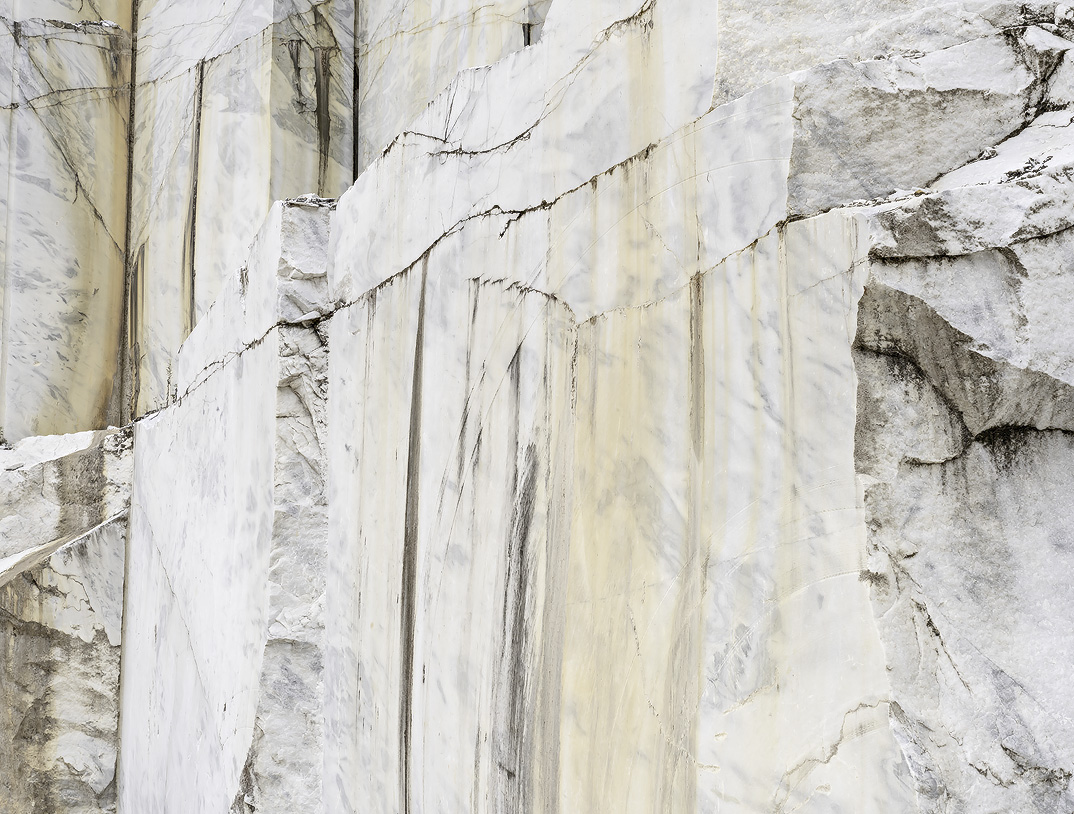
From Quarry to Commercial Project:
Why Source Matters in Stone Specification
Specifying natural stone is a discipline that rewards early engagement with the right supply partner. Material range, block availability, yield efficiency, fabrication lead times, and ASTM performance data are all variables that affect project cost, schedule, and outcome — and most of them are only fully understood at the quarry level.
Polycor’s quarry-direct model gives architects and specifiers direct access to that knowledge. Rather than working through distributors or brokers who sit several steps downstream from the source, Polycor’s architectural team works alongside design professionals from initial material selection through sample approval and production. The result is greater cost predictability, fewer substitution surprises at bid time, and specifications that hold.
Over 100 Stones, Cut and Finished With Precision For Your Specification Needs
Sourcing Natural Stone?
Explore Applications
What Architects Need To Know Before Specifying Natural Stone
Successful natural stone specifications begin with four questions: Is the material admirable? Is it suitable for the application? Is it available in the quantity and quality required? And is it affordable within the project’s budget parameters?
Each of those questions has a technical answer – one grounded in ASTM testing data, quarry production realities, finish performance requirements, and lifecycle cost analysis.
For commercial paving applications, compressive strength (ASTM C-170), abrasive hardness (ASTM C-241), absorption and density (ASTM C-97), and dynamic coefficient of friction (DCOF) all inform whether a material is genuinely appropriate for the intended use, not just aesthetically compelling.
And maintaining ownership of most of the supply chain allows us to reduce risks, from the extraction of the raw materials to delivery of the final product.
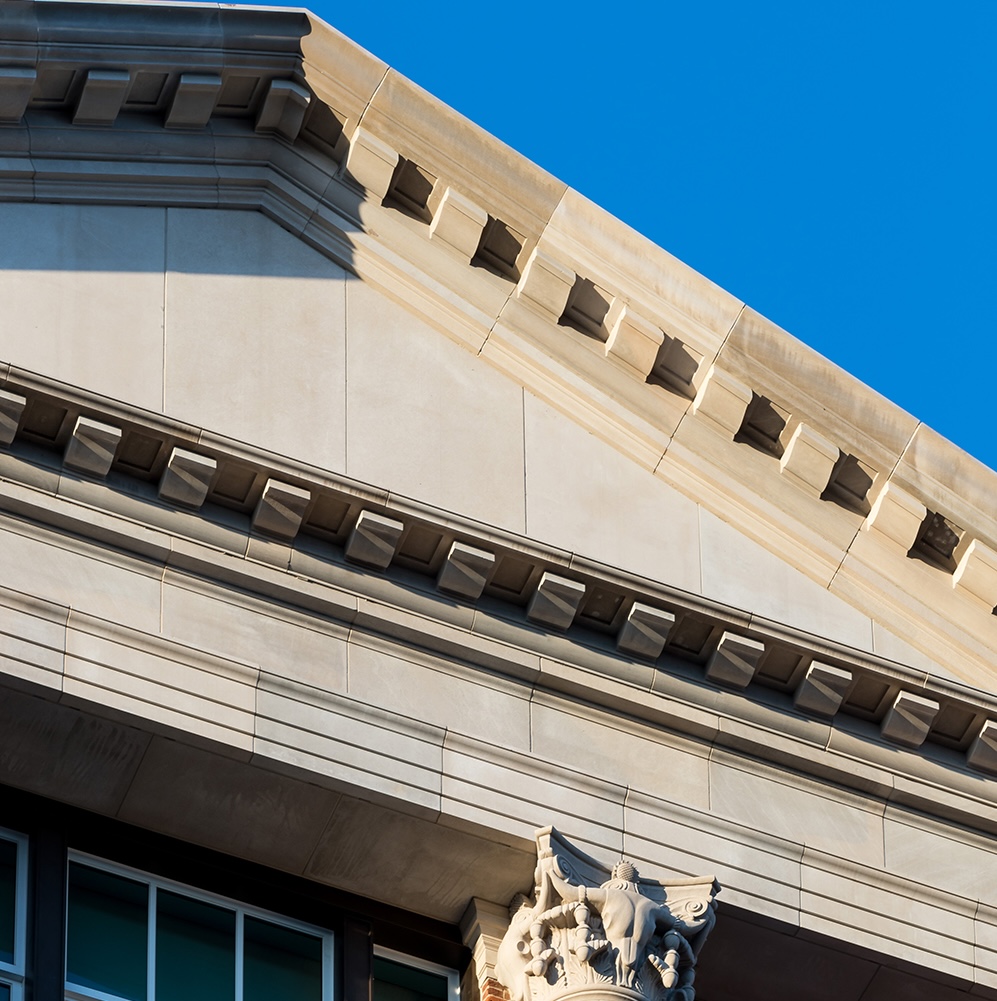
For cladding and facade applications, flexural strength (ASTM C-880), freeze-thaw performance and anchor pull-out tests determine whether a stone will perform safely and durably under the mechanical and environmental loads of an anchored exterior system. Getting these answers right at the specification stage prevents costly value engineering decisions later in the project.
Resources
Easy to Find Resources
for Architects & Specifiers
From spec sheets to courses, all you need to design, source and inspire with natural stone
Technical Resources for Specifiers
Stone Spec Sheets, EPD/HPDs, 3D Tools, CAD and Certifications
Installation Guides & Product
Resources
Brochures, Installation Guides, Care & Maintenance, Diagrams and Case Studies
Sustainability With Stone Building Materials
Stone is Naturally Sustainable, visit our sustainability site for
related information
Specify Natural Stone with Confidence
Guide To Specifying Natural Stone
for Commercial Projets
Everything architects and specifiers need to know – from ASTM standards and performance testing to lifecycle cost and supply chain vetting for commercial projects.
Commercial Pavers, Cladding,
and Urban Landscaping:
Applications Built for Scale
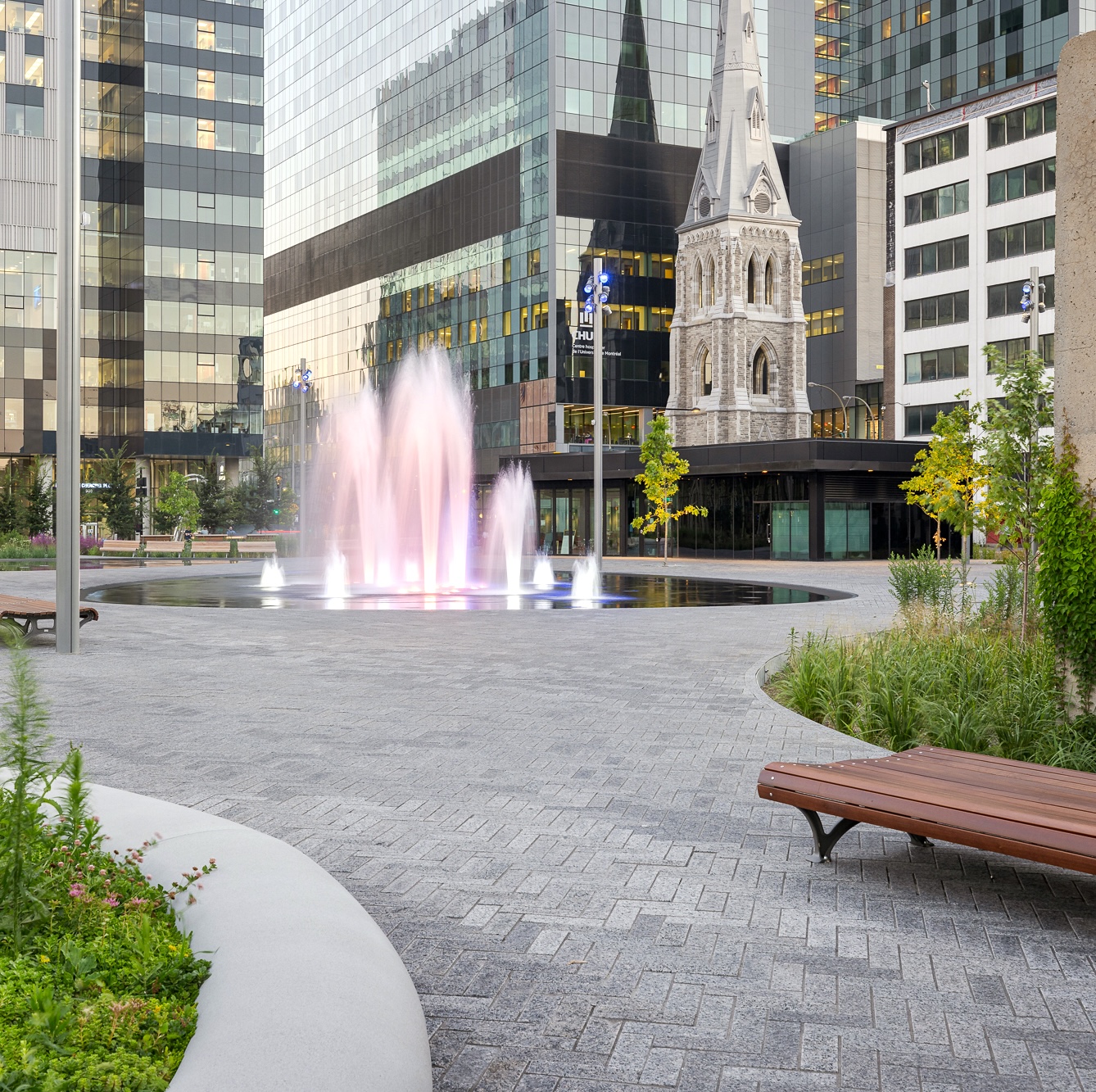
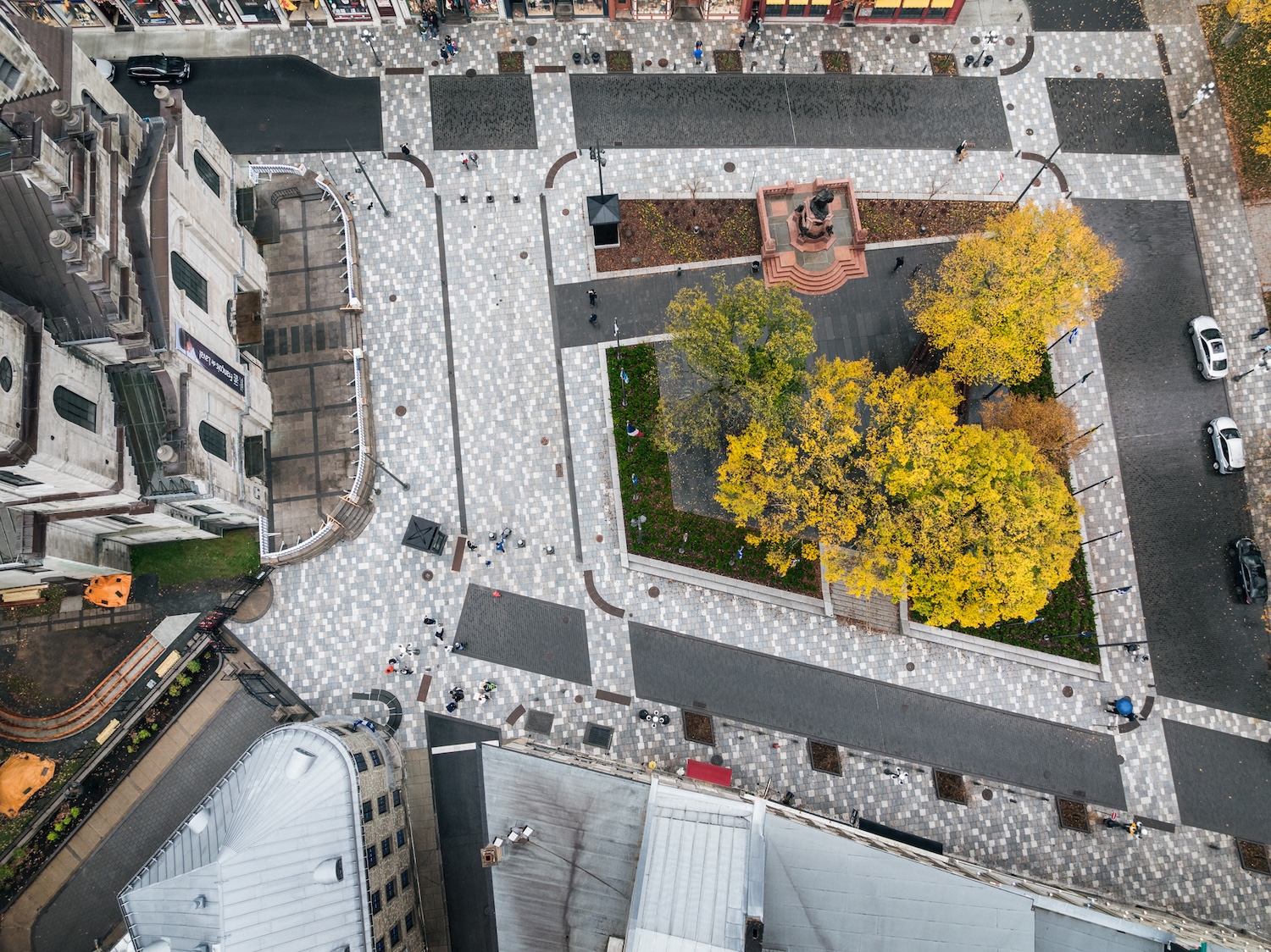
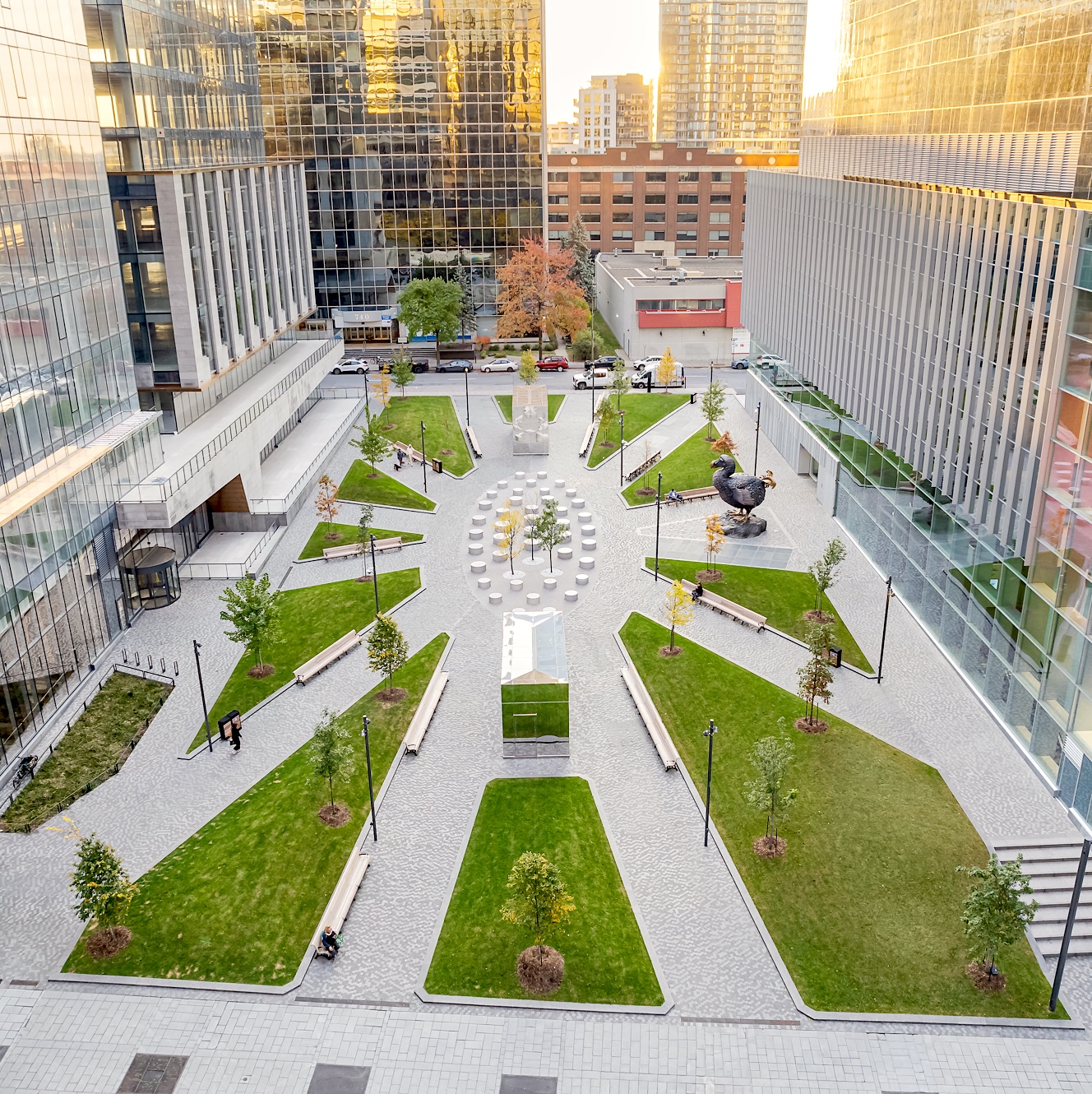
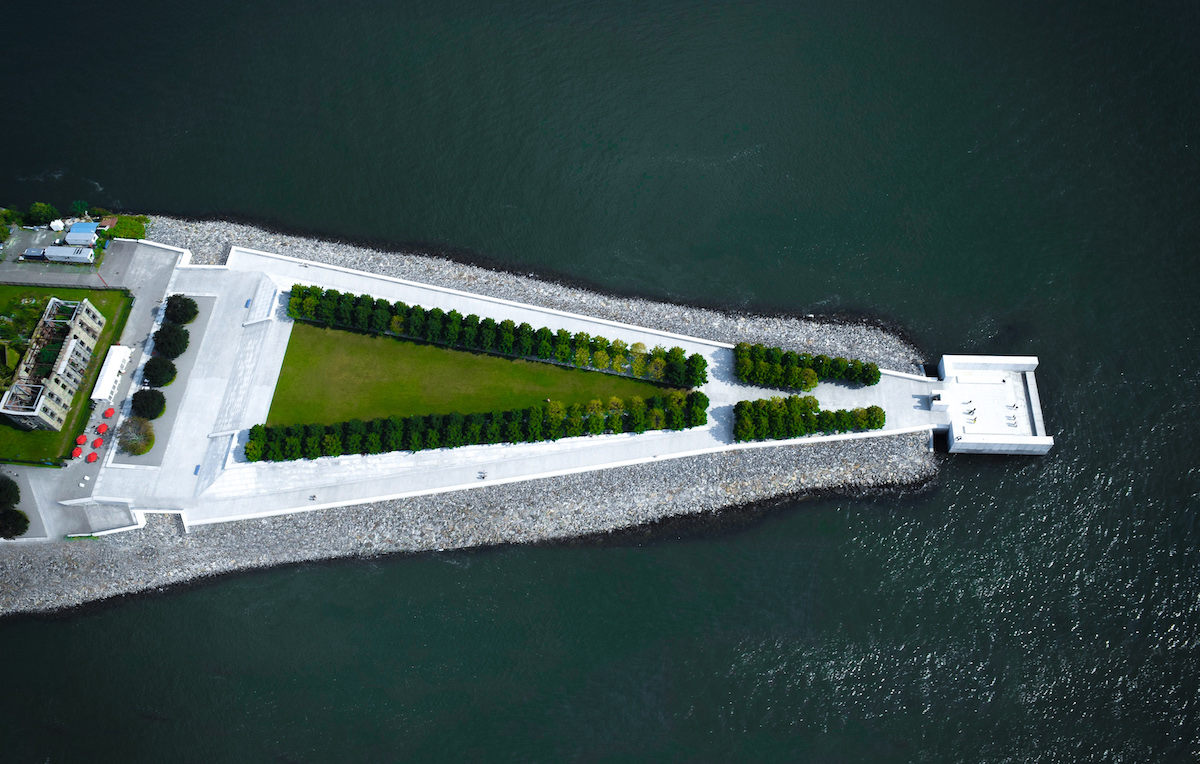
Polycor’s architectural stone portfolio supports the full range of applications that define contemporary commercial and civic environments. New England and Canadian Granite pavers for urban plazas and transit corridors. Indiana limestone for institutional facades and civic memorials. Georgia marble for lobby floors and wall cladding.
Each stone is available in a range of finishes — from thermal and sandblasted surfaces engineered for pedestrian safety in high-traffic exterior environments, to honed and polished surfaces suited to vertical applications where aesthetics take precedence.
For commercial paving specifically, finish selection is as consequential as material selection. Thermal finish granite — exclusive to granite among natural stones — provides the slip resistance, durability, and low maintenance profile that urban plazas, educational campuses, transit hubs, and civic streetscapes demand.
Granite outperforms cast concrete in compressive strength, color permanence, lifecycle cost, and environmental impact across every metric that matters for a 50-year or 100-year building program.

Get Ideas
Browse Our Project Gallery
Architectural Brochure
Success Is Built On Passion
Specification Tools, Technical Data, and Sample Requests
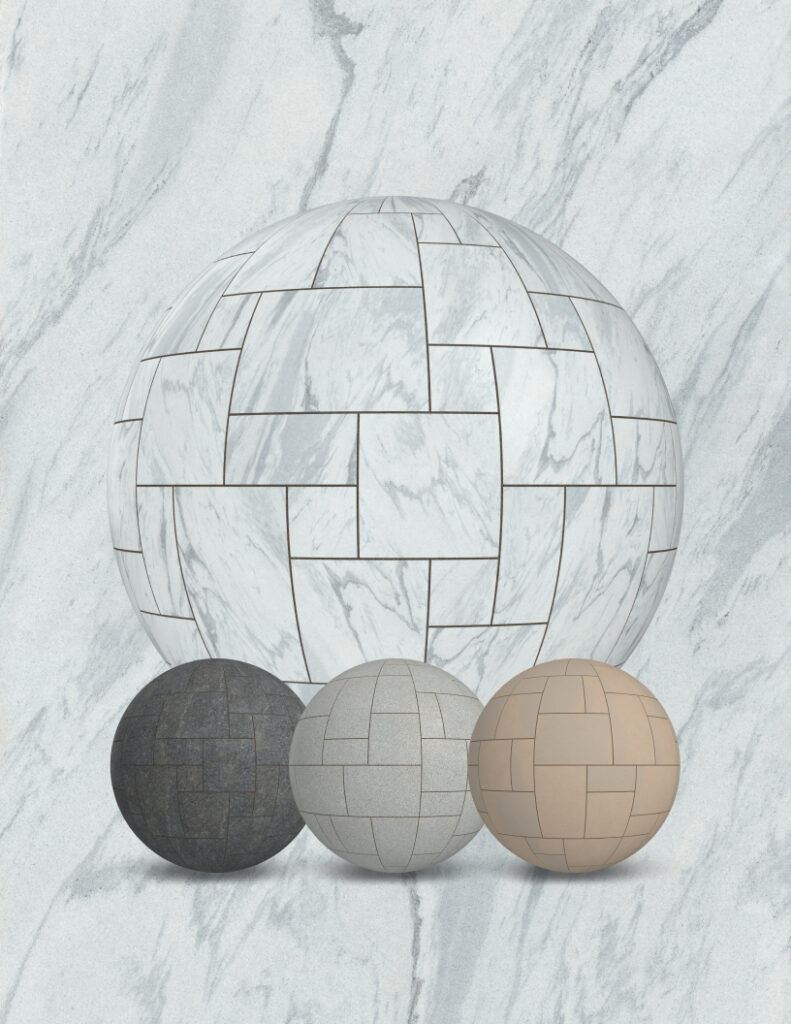
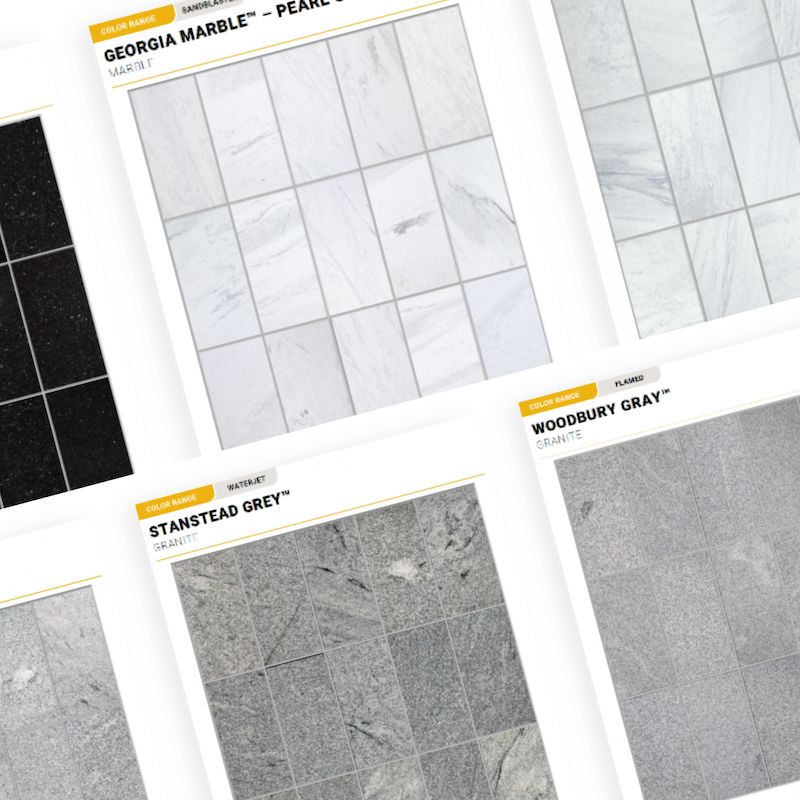
Polycor provides the technical infrastructure that rigorous stone specifications require. Stone spec sheets, ASTM performance data, EPD and HPD environmental product declarations, 3-part specifications, CAD hatch patterns, BIM objects, and PBR material libraries are all available for download.
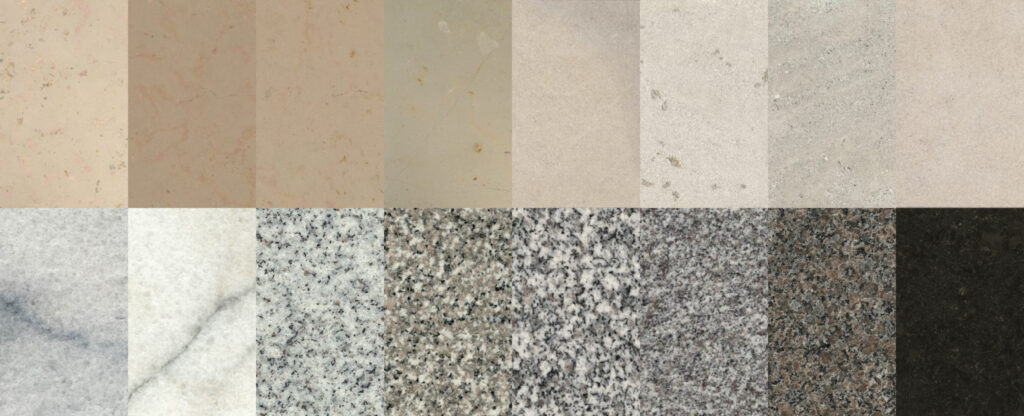
For projects where material range consistency is critical, Polycor’s paver range sheets provide visual and technical documentation of light, medium, and heavy variation across granite, limestone, and marble paver products – giving specifiers a defensible reference for range approval submittals and client presentations.
Read More About Architectural Stone
Related Articles
Frequently Asked Questions
Natural Stone Specification for Commercial Projects
What types of natural stone does Polycor supply for architectural and commercial projects?
Polycor’s architectural stone portfolio includes U.S. and Canadian quarried granite, limestone, and Georgia marble — available in cut-to-size formats for facades, cladding, commercial pavers, urban landscaping, flooring, and monumental applications. Each stone is quarried and fabricated by Polycor directly, providing architects with access to full ASTM performance data, current production samples, and consistent supply across project phases. Granite remains the most specified material for exterior commercial paving and curbing due to its compressive strength exceeding 30,000 psi, low absorption rates, and DCOF compatibility requirements through thermal finishing — the only natural stone that accepts this process. Indiana limestone is the preferred choice for institutional facades and civic buildings, with a century-long track record on some of North America’s most recognized structures. Georgia marble serves high-design exterior and interior cladding, flooring, monumental, and restoration applications where aesthetic refinement and material provenance are priorities.
What ASTM standards should architects reference when specifying natural stone for commercial projects?
The core ASTM standards for commercial natural stone specification are C-97 (absorption and bulk specific gravity), C-170 (compressive strength), C-880 (flexural strength under load), C-241 (abrasive hardness), and DCOF (dynamic coefficient of friction for slip resistance). C-97 is particularly critical for exterior applications in freeze-thaw climates — granite’s absorption rate of 0.01% to 0.14% by weight provides superior frost resistance compared to higher-porosity alternatives. C-880 is the definitive test for mechanically anchored cladding panels, simulating the wind load conditions a facade stone must withstand. C-241 establishes minimum abrasive hardness thresholds by application type: a minimum of 10.0 for heavy commercial flooring such as airports and shopping centers, and 12.0 for exterior paving and high-concentration traffic areas, including elevator landings and stair treads. DCOF testing is mandatory for any horizontal surface subject to pedestrian traffic and potential wet conditions, and should be explicitly referenced in Division 04 specifications for all exterior paving and steps. Polycor provides full ASTM test data for all quarried stone products upon request.
How does working directly with a quarry-owning supplier benefit a commercial stone specification?
Quarry-direct suppliers like Polycor provide architects and specifiers with three advantages that distributors and brokers cannot replicate. First, real-time access to block availability and production scheduling — critical for phased projects or large volume specifications where material consistency across multiple deliveries is non-negotiable. Second, accurate yield and range data that allows design teams to align paver dimensions and range acceptance criteria with actual quarry block sizes. Specifications that work with these block dimensions rather than against them can improve material yield from 60% to 85% or higher, translating directly to lower project cost without compromising design intent. Third, the ability to engage in early-stage value engineering — adjusting thickness, module size, or range acceptance before specifications are locked — which is the most cost-effective point in the project lifecycle to make those decisions.
Polycor produces granite pavers in thermal, sandblasted, honed, bush-hammered, waterjet, and flamed-and-washed finishes. For exterior pedestrian applications, finish selection is primarily determined by slip resistance requirements, traffic volume, and maintenance capacity. Thermal finish — produced by applying intense controlled heat to the granite surface, causing mineral expansion and controlled fracture — is the highest-performing finish for wet or high-traffic exterior environments. It achieves DCOF values that meet or exceed ADA and building code requirements for pedestrian surfaces, and is compatible with standard commercial cleaning protocols. Importantly, thermal finishing is exclusive to granite — marble, limestone, and other calcareous stones lack the crystalline structure and mineral composition to withstand the process without surface damage. Sandblasted finishes provide a controlled texture suitable for transitional spaces and plazas where moderate slip resistance is required. Bush-hammered finishes offer uniform texture with strong maintenance characteristics for institutional and corporate settings. Honed finishes are appropriate for covered exterior applications or indoor-outdoor transitions where maximum traction is not the primary requirement. Specifiers should request DCOF test results for the specific stone and finish combination before finalizing specifications, as values vary by material.
How does natural stone compare to cast concrete pavers for lifecycle cost in commercial paving applications?
Over a 30-year project lifecycle, natural stone consistently delivers lower total cost of ownership than cast concrete despite potentially higher initial material pricing. Concrete pavers typically cost 10-15% less per square foot at installation but require replacement after 15–25 years due to UV-driven color fading, surface aggregate exposure, and structural deterioration from wear and tear. Natural stone installations, specified correctly for the application, perform effectively for 50 to 100 plus years with minimal intervention. Beyond direct cost, natural stone’s mineral-based coloration does not fade under UV exposure, its homogeneous composition wears evenly without exposing a different subsurface material, and its infinite recyclability supports LEED material credits that concrete alternatives cannot match. For projects where lifecycle cost, sustainability targets, and long-term aesthetic performance are evaluation criteria, natural stone represents the stronger investment across every measurable metric.